bluename
 How to Care for Your Drought-Resistant Cactus During Extended Dry Spells
You chose a cactus for its legendary toughness and low-water needs. Yet, during an unusually long dry spell, you might find yourself second-guessing. Is your resilient plant actually thirsty? Could too much neglect during an extended drought do more harm than good? Even the most drought-resistant cactus has its limits, and understanding those boundaries is key to ensuring it not only survives but thrives through prolonged periods of aridity. This guide will walk you through the precise, nuanced care your cactus requires when the rain simply won't come.
Understanding True Drought Resistance
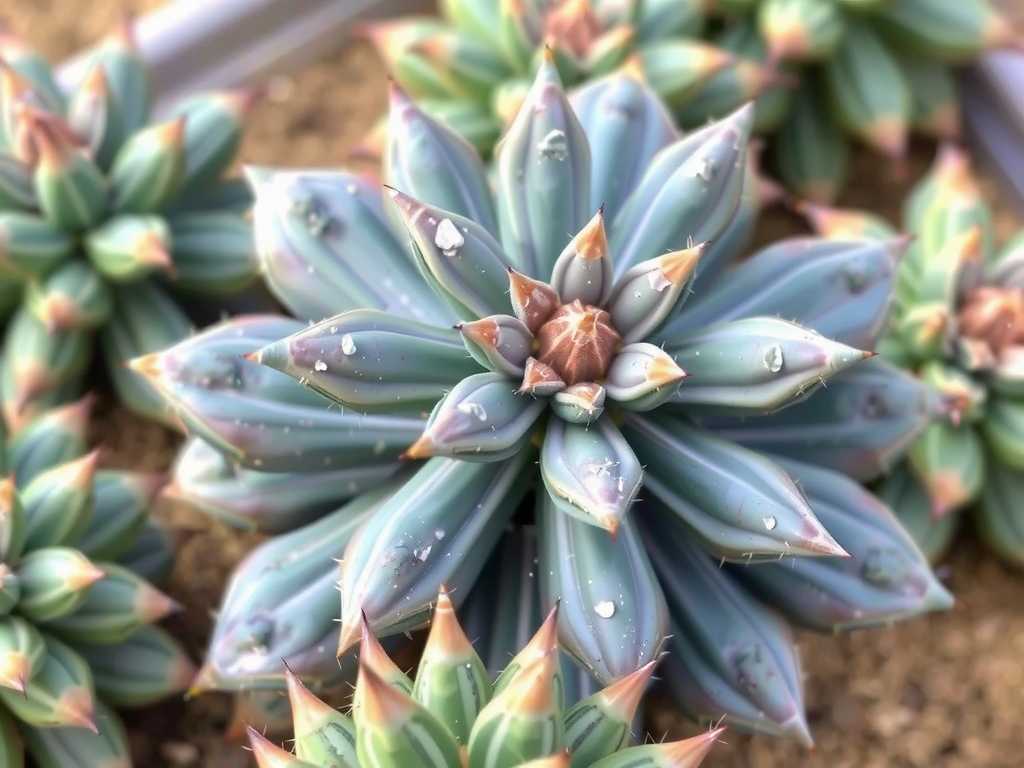
First, let's dismantle a common myth. "Drought-resistant" does not mean "drought-proof." These plants are masters of water storage and conservation, evolved to withstand temporary scarcity. However, an extended dry spell, especially when combined with intense heat or wind, pushes them toward their physiological limits. Their survival mechanisms are brilliant but finite.
The core strategy is balancing moisture retention with essential gas exchange. During a drought, a cactus slows its growth, may shrink slightly as it uses internal water reserves, and its stomata (tiny pores) remain closed during the day to prevent water loss. Your care routine must support, not hinder, these natural adaptations.
Mastering the Art of Deep, Infrequent Watering
The single most critical factor in cactus care during a drought is how you water. Forget light sprinkles; they encourage shallow roots and can promote rot. The goal is to mimic a rare, soaking desert rain.
- The Soak-and-Dry Method: When it's time to water, do so thoroughly. Pour water slowly around the base of the plant until it runs freely out of the drainage holes. This ensures the entire root ball and the soil around it are moistened. For potted cacti, you may even place the pot in a shallow tray of water for 20-30 minutes, allowing the soil to wick moisture upward.
- Reading the Signs: How do you know it's time? During a hot, dry spell, the "finger test" is your best friend. Insert a finger, chopstick, or moisture meter deep into the soil. If the bottom half of the pot or the soil several inches down in the ground is completely dry, it's time for a deep soak. Visually, some cactus species may show slight ribbing or a less plump appearance when truly thirsty.
- Timing is Everything: Always water in the cooler morning or evening hours. This minimizes immediate evaporation and allows the plant to absorb moisture before the day's heat. Watering under a hot midday sun can scorch tissues and waste water.
Optimizing Sunlight and Temperature Exposure
While cacti love sun, the unrelenting intensity of a summer drought can be stressful. Prolonged exposure to extreme heat can lead to sunburn, visible as yellow, bleached, or corky brown patches on the side facing the harshest light.
- Provide Afternoon Shade: If possible, use a shade cloth (30-50% density) or strategically place your potted cactus where it receives protection during the peak afternoon hours. A few hours of respite can significantly reduce heat stress.
- Mind the Microclimate: Be aware of reflective heat from walls, patios, or windows. These surfaces can radiate intense heat, amplifying the drought's effects. Increasing air circulation around the plant can also help cool it naturally.
The Critical Role of Soil and Drainage
Your watering efforts are only as good as the soil they go into. The right soil mix is non-negotiable for drought-tolerant cactus maintenance.
- The Perfect Mix: A well-draining, gritty substrate is essential. For container plants, use a commercial cactus/succulent mix and further amend it with perlite, pumice, or coarse sand (up to a 50/50 ratio). This ensures water flows through quickly, preventing soggy roots, while still holding some moisture around the roots.
- In-Ground Planting: If planting in the landscape, amend native soil heavily with gravel and inorganic materials to create a raised mound or berm, guaranteeing excellent drainage.
Strategic Fertilization: Less is More
Fertilizing during an active drought is generally discouraged. Fertilizers, especially those high in nitrogen, can stimulate new, tender growth that is highly susceptible to drought and heat damage. The plant's energy during this time should be directed toward preservation, not expansion. Resume a diluted, balanced feeding only when more typical, cooler, or wetter conditions return.
Protection from Pests and Disease
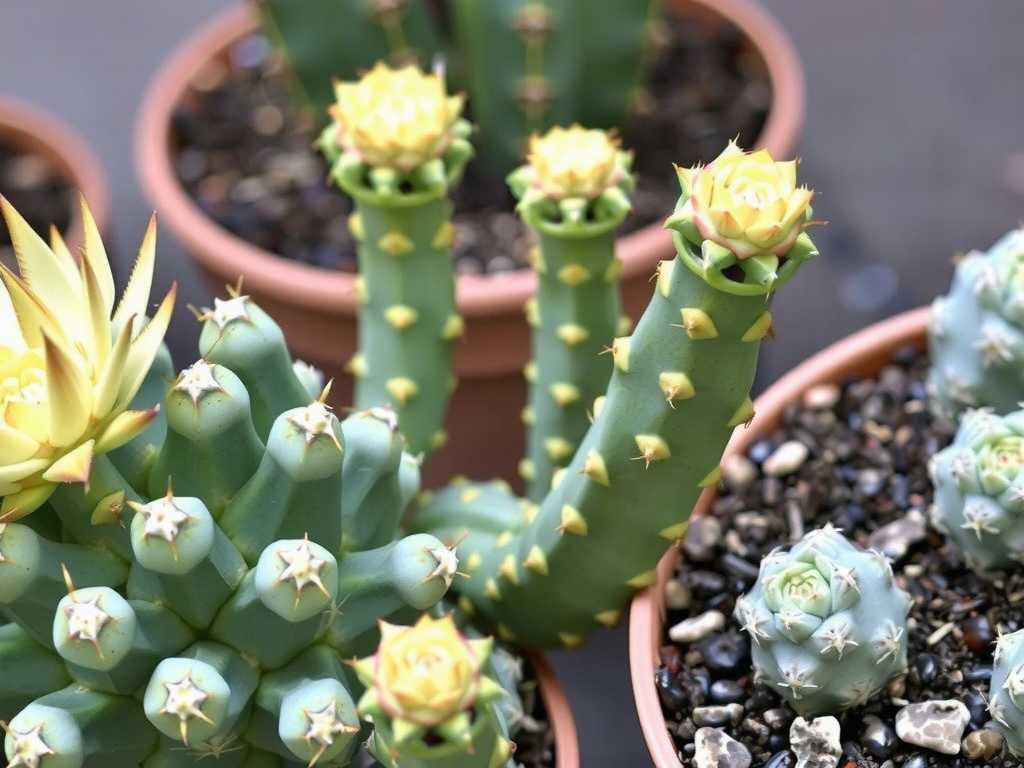
A stressed cactus is a vulnerable cactus. Spider mites and scale insects are more likely to attack a plant weakened by prolonged dry heat.
- Regular Inspection: Check your plants weekly, looking closely at the spines and stem for tiny webbing or unusual bumps.
- Preventive Care: A strong blast of water can dislodge early infestations. For persistent problems, use insecticidal soap or neem oil, applying in the evening to avoid phytotoxicity.
Preparing Your Cactus for a Forecasted Dry Period
Proactive care is the hallmark of an expert gardener. If an extended dry spell is predicted, you can take steps to bolster your plant's resilience.
- The Pre-Drought Deep Watering: Give your cactus a comprehensive deep watering just as the dry period begins. This ensures it starts with full internal reserves.
- Mulch for Moisture Retention: Apply a thin layer of inorganic mulch like small gravel or crushed rock around the base (not touching the stem). This reduces topsoil evaporation, moderates root temperature, and prevents weed competition for water.
- Shelter Potted Plants: Consider moving container-grown cacti to a location with slightly gentler conditions—perhaps morning sun and afternoon shade, or a spot shielded from drying winds.
Frequently Asked Questions
My cactus looks shriveled even after watering. What's wrong? Shriveling can be a sign of either severe underwatering or, paradoxically, root rot from overwatering. If the soil is bone dry and the plant is shriveled, a deep soak may help it plump up over several days. If the soil is damp and the plant is mushy or shriveled, root rot is likely. You may need to unpot the plant, remove rotten roots, and repot in fresh, dry mix.
Can I use ice cubes to water my cactus during a drought? This is not recommended. The extreme cold of ice cubes can shock the roots and stem tissue of a cactus, especially one stressed by heat. It also provides insufficient water volume. Room-temperature or tepid water applied deeply is far safer and more effective.
How long can a truly drought-resistant cactus survive without any water? It depends vastly on the species, size, age, and environmental conditions. A large, mature Saguaro in the desert can survive two years without rain by tapping massive internal stores. A small potted Opuntia in full sun might show severe stress after 4-6 weeks in peak summer. Rather than testing limits, it's best to monitor soil dryness and plant cues as described above.
Caring for a drought-resistant cactus during an extended dry spell is a practice in mindful observation and strategic intervention. By mastering deep, infrequent watering, ensuring impeccable drainage, providing tactical shade, and resisting the urge to fertilize, you work in harmony with your plant's natural survival instincts. This approach moves beyond mere survival, fostering a resilient cactus that continues to be a striking, low-maintenance centerpiece in your garden or home, no matter what the weather brings.