bluename
 How to Grow Miniature Bonsai Cactus Species for Desktop Displays
Does your desk feel lifeless? Do you crave a touch of nature but lack the space or time for a demanding plant? You're not alone. Many plant lovers face the same dilemma: the desire for greenery in a compact, low-maintenance form. The solution is more accessible and fascinating than you might think. This guide is dedicated to teaching you how to grow miniature bonsai cactus species for desktop displays. These resilient, sculptural plants offer year-round beauty with minimal fuss, transforming your workspace into a serene, living landscape. We will walk you through every step, from selecting the perfect species to mastering the art of miniature care.
Why Choose a Miniature Bonsai Cactus?
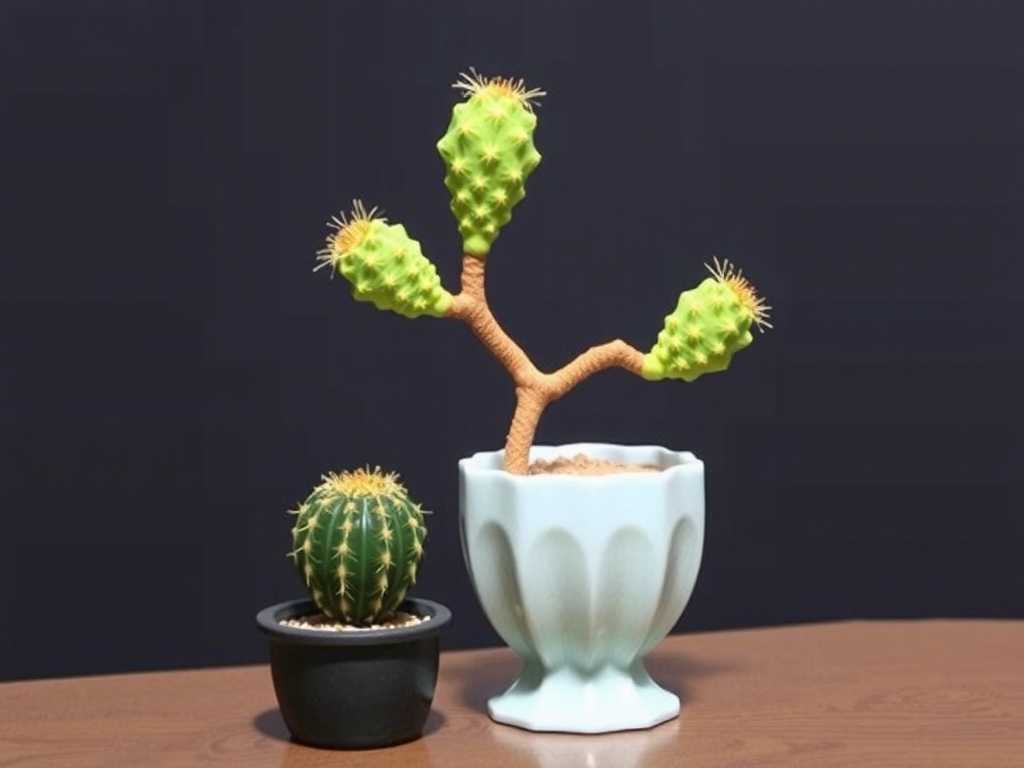
Before we delve into the how-to, let's understand the why. Miniature bonsai cacti are not just small plants; they are living art. Their slow growth and architectural forms make them ideal for contemplative desktop viewing. Unlike traditional bonsai trees that require precise humidity and frequent watering, most cactus species thrive on neglect, making them perfect for busy individuals. Experts like those at the Cactus and Succulent Society of America note that certain cactus genera are exceptionally well-suited to miniaturization due to their naturally compact growth habits and resilience. By choosing a cactus, you're opting for a display that combines aesthetic appeal with remarkable hardiness.
Selecting Your Perfect Miniature Cactus Species
Your journey begins with the right plant. Not all cacti are created equal for the bonsai aesthetic and desktop life. Focus on species that stay small, have interesting shapes, and tolerate indoor conditions.
-
Top Species for Beginners: For your first desktop bonsai cactus, consider the Mammillaria genus (like the Pincushion Cactus) for its globular shape and charming halo of flowers. Rebutia (Crown Cactus) is another excellent choice, renowned for its prolific and vibrant blooms relative to its tiny size. Gymnocalycium mihanovichii (Moon Cactus) offers a pop of color, though remember it's a grafted plant with specific care needs.
-
Sourcing Your Plant: Always purchase from reputable nurseries, either online specialists or local garden centers. Look for plants that are firm, have consistent color, and show no signs of soft spots, pests, or damage. A healthy start is crucial for successful miniature cactus cultivation.
Essential Tools and Materials for Your Setup
You don't need a shed full of tools. A few key items will set you up for success.
-
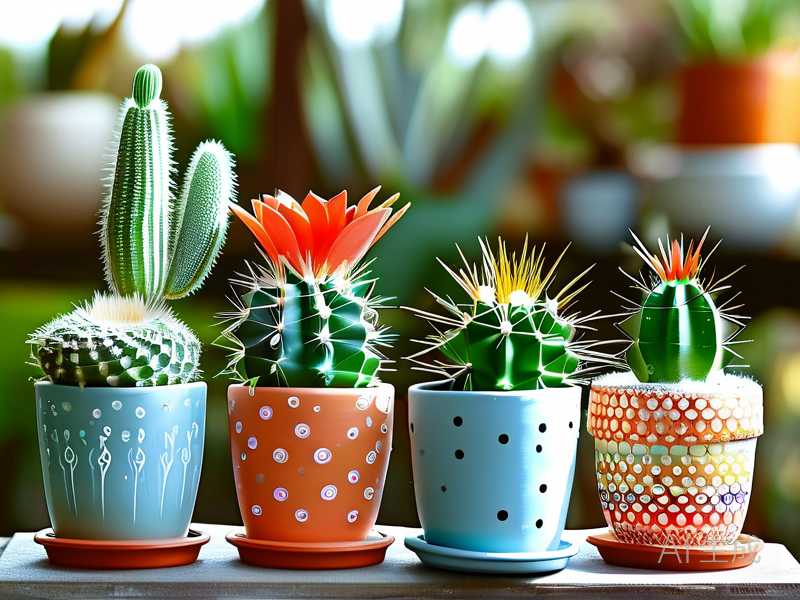
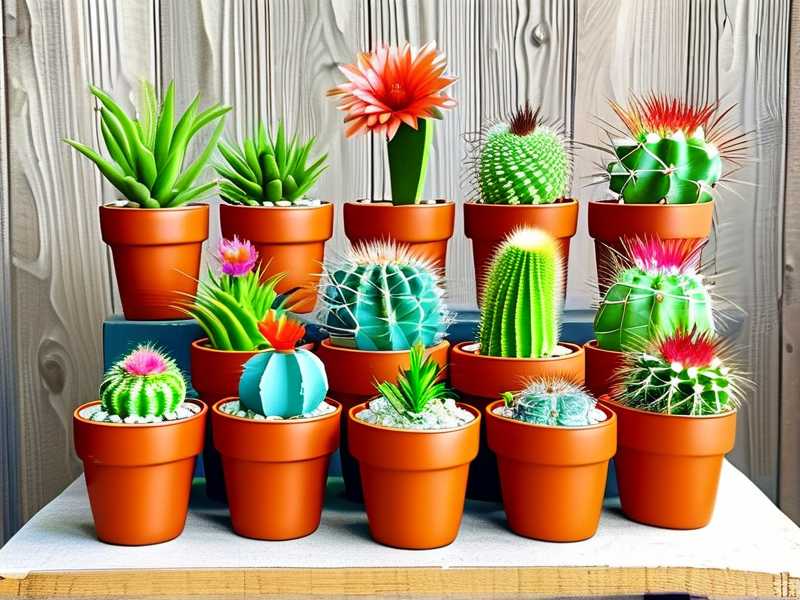
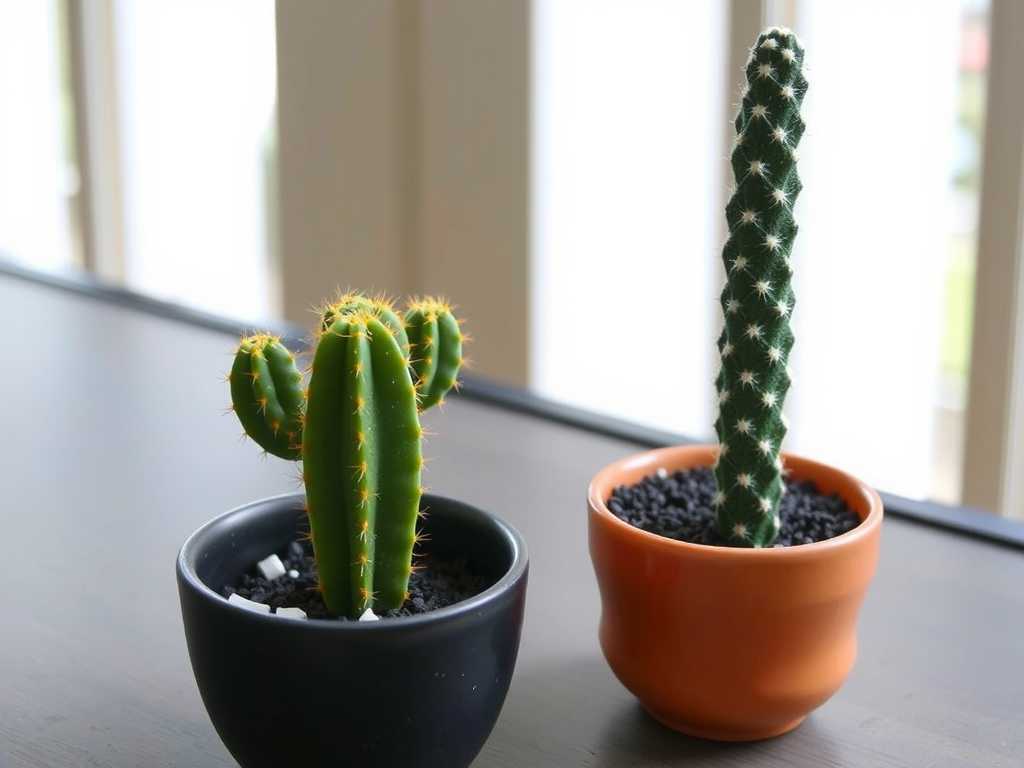
The Right Pot: Choose a shallow, wide pot with excellent drainage holes. Traditional unglazed clay pots (like terracotta) are ideal as they allow the soil to breathe and dry quickly, preventing root rot. The pot should complement the plant's size, not overwhelm it.
-
The Perfect Soil Mix: This is non-negotiable. Standard potting soil will kill your cactus. You need a fast-draining, gritty mix. A simple recipe is one part commercial cactus potting mix to one part perlite or pumice. For even better drainage, some growers add coarse sand or small gravel. This mix ensures roots are never waterlogged.
-
Basic Tool Kit: Gather a small pair of tweezers for precise work, soft brush for cleaning, chopsticks for positioning soil and roots, and sharp, sterilized scissors or shears for any necessary pruning.
The Step-by-Step Planting and Potting Process
Now, let's get your cactus settled into its new home.
- Prepare the Pot: Place a small piece of mesh or a shard over the drainage hole to keep soil in. Add a shallow layer of your gritty soil mix.
- Handle with Care: Using folded paper or specialized tongs, gently remove your cactus from its nursery pot. Carefully brush away the old soil from the roots, inspecting for health.
- Position the Plant: Place the cactus in the new pot, spreading its roots outward. The plant's base should sit just below the pot's rim.
- Add Soil and Secure: Using your chopstick, gently work the new soil mix around the roots, tapping the pot to settle it. Avoid burying the stem. You may top-dress with small decorative gravel for stability and a finished look.
- The Initial Rest: Do not water immediately! Place the newly potted cactus in bright, indirect light and let it sit for 5-7 days. This allows any disturbed roots to callous over, preventing rot when you finally water.
Mastering the Care Routine for Longevity
The art of growing miniature bonsai cacti lies in mastering a cycle of neglect and attention.
-
Watering Wisdom: This is the most common pitfall. The rule is: soak thoroughly, then dry completely. Water only when the soil is completely dry to the bottom of the pot. When you do water, do so deeply until it runs out the drainage holes. Then, ignore it. In winter, watering may only be needed once a month or less.
-
Light Requirements: Your desktop display cactus needs abundant light. A south or east-facing windowsill is perfect. If your desk lacks natural light, a strong grow light placed 6-12 inches above the plant for 8-10 hours a day is essential to prevent etiolation (stretching).
-
Feeding for Growth: During the active growing season (spring and summer), feed your cactus monthly with a diluted, balanced fertilizer specifically formulated for cacti and succulents. Do not fertilize in fall and winter.
Shaping and Styling Your Miniature Bonsai Cactus
This is where you become an artist. Bonsai for cacti is less about drastic wiring and more about guiding form over time.
- Pruning for Shape: Use clean, sharp tools to remove any dead or unhealthy growth. You can also carefully remove offsets (pups) to maintain a singular, focused form or to propagate new plants.
- Encouraging Character: Over decades, cacti can develop a corky, bark-like base called "corking," which adds aged character. This happens naturally with time. Your role is to ensure the plant grows healthily and slowly to encourage this process.
- Presentation: Rotate your pot occasionally for even growth. Keep the plant and its pot clean with a soft brush. The minimalist aesthetic is key—let the plant's natural form be the star.
Troubleshooting Common Issues
Even with the best care, issues can arise. Here’s how to spot and fix them.
- Yellowing or Soft Stem: Almost always a sign of overwatering. Stop watering immediately. Check the roots for rot (black/brown and mushy). If present, cut away all rot, let the plant dry for several days, and repot in fresh, dry soil.
- Stretching or Pale Color (Etiolation): The plant is not getting enough light. Gradually move it to a brighter location or introduce a grow light.
- Pests: Mealybugs (look like small cotton spots) or scale can appear. Isolate the plant. Use a cotton swab dipped in rubbing alcohol to spot-treat pests. For larger issues, use an insecticidal soap.
Frequently Asked Questions
How often should I really water my desktop bonsai cactus? There is no fixed schedule. The frequency depends on your home's temperature, humidity, pot size, and the season. Always use the "finger test" or a moisture meter to check if the soil is completely dry before even considering watering. When in doubt, wait a few more days.
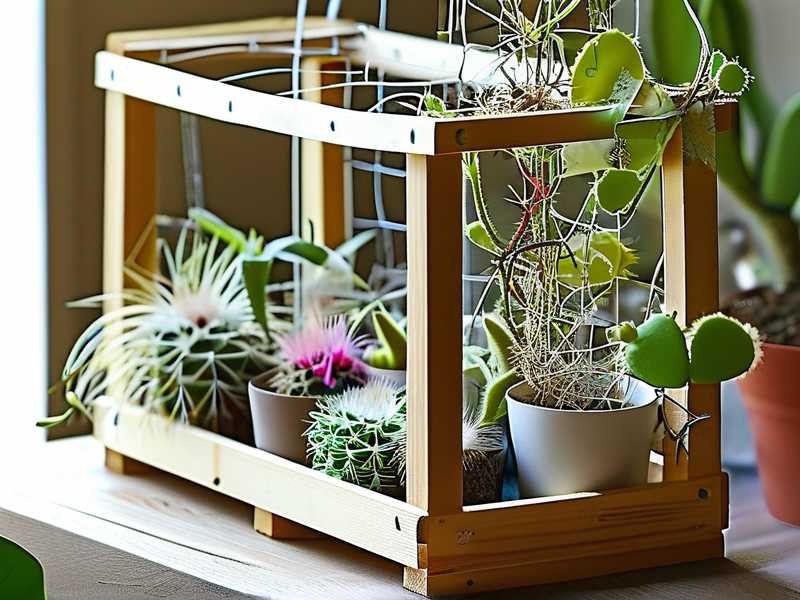
Can I keep my miniature cactus in a terrarium or closed container? This is strongly discouraged. While it may look attractive, the lack of airflow and drainage in a closed environment creates a humid, stagnant setting that will quickly lead to fungal growth and root rot. Cacti require open, dry air circulation.
My cactus hasn't flowered. What am I doing wrong? Flowering requires a combination of maturity, sufficient bright light, and a proper winter rest period. Ensure it gets a cooler (but not freezing), drier period with reduced watering in the winter. This dormancy period is often the crucial trigger for spring and summer blooms.
Embarking on the journey of cultivating miniature bonsai cactus species is a rewarding practice in patience and observation. By selecting the right species, providing a well-draining home, and mastering the delicate balance of light and infrequent water, you cultivate more than a plant—you nurture a resilient piece of living sculpture. This tiny landscape on your desk serves as a daily reminder of the beauty of slow, steady growth and the profound satisfaction found in tending to a simple, yet extraordinary, form of life. Start with one, apply these principles, and watch your own serene desertscape come to life.