bluename
 How to Choose Drought-Resistant Cactus Species for Arid Landscaping
Creating a beautiful, sustainable landscape in a dry climate can feel like an uphill battle. You watch precious water resources dwindle, struggle with high maintenance bills, and see traditional plants wither under the relentless sun. The solution, however, has thrived in such conditions for millennia: the cactus. But with thousands of species available, how do you select the right ones? This guide will walk you through the essential steps for choosing drought-resistant cactus species for arid landscaping, ensuring your garden is not only stunning but also incredibly water-wise and resilient.
Understanding Your Landscape's Unique Environment
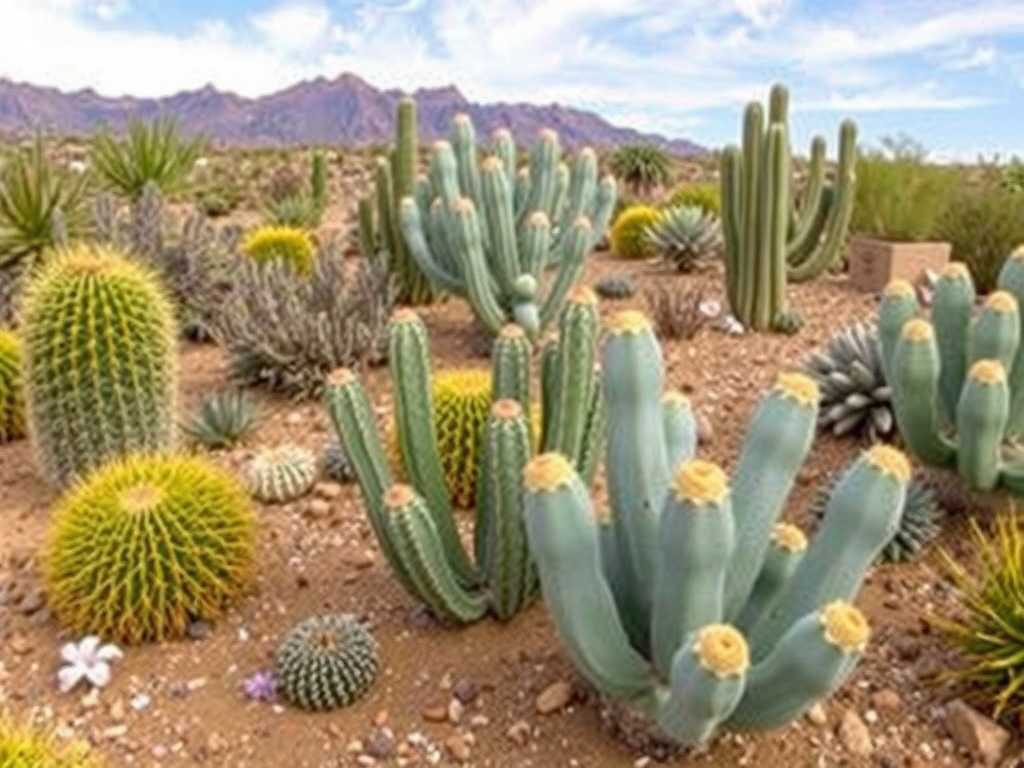
Before you fall in love with a particular cactus at the nursery, you must become a detective in your own yard. A cactus that flourishes in the Mojave Desert might struggle in a cooler, high-desert climate. Successful selection starts with a thorough site analysis.
Assess Your Climate Zone and Microclimates First, identify your USDA Hardiness Zone. This is crucial for cold tolerance. While many cacti are heat-loving, some, like certain Opuntia (Prickly Pear) species, can withstand temperatures well below freezing. Next, map your property's microclimates. Note areas of full, all-day sun versus spots with afternoon shade. Observe wind patterns—strong winds can dehydrate plants and damage tall, columnar cacti. South and west-facing slopes are typically hotter and drier, ideal for the most sun-thirsty species.
Analyze Your Soil Composition and Drainage This is non-negotiable. Cacti demand excellent drainage. Their greatest enemy is not drought, but soggy roots. Perform a simple percolation test: dig a hole, fill it with water, and see how long it takes to drain. If it's slow, you must amend the soil. Most cacti prefer a gritty, sandy, or rocky mix. Heavy clay soil requires significant amendment with coarse sand, pea gravel, and crushed granite to create a fast-draining environment. Understanding your soil is a fundamental part of selecting drought-tolerant cactus varieties that will truly thrive.
Key Criteria for Selecting the Right Cactus
With your site analysis in hand, you can now evaluate cacti based on specific, practical criteria. This moves you from arbitrary choice to informed selection.
Prioritize Cold Hardiness and Heat Tolerance Your zone is your primary filter. For cooler arid regions (e.g., Zones 5-7), focus on robust, cold-hardy genera:
- Opuntia: Extremely adaptable. Opuntia fragilis can survive down to -35°F.
- Escobaria and Coryphantha: Small, globular cacti often native to mountainous areas.
- Echinocereus (Hedgehog Cactus): Many species offer stunning flowers and good cold tolerance. For hot, low-desert zones (8-11), your options expand dramatically to include columnar giants like Carnegiea gigantea (Saguaro) and Trichocereus species.
Evaluate Size, Growth Form, and Landscape Function Think about the plant's purpose. Are you seeking a towering focal point, a sprawling groundcover, or a decorative container specimen?
- Focal Points & Specimens: Large, sculptural species like Ferocactus (Barrel Cactus), Saguaro, or Myrtillocactus geometrizans (Blue Candle).
- Groundcovers & Mass Plantings: Low-growing, clustering species like Opuntia basilaris (Beavertail Prickly Pear) or many Mammillaria varieties.
- Containers & Raised Beds: Smaller, slow-growing globular forms are perfect, such as Echinocactus grusonii (Golden Barrel) or Astrophytum (Star Cactus).
Consider Maintenance Requirements and Safety Be realistic about upkeep. Some cacti have fierce spines or glochids (tiny, barbed hairs found on Opuntia that are notoriously difficult to remove). If you have children or pets, opt for less hazardous choices like Opuntia ellisiana (spineless prickly pear) or certain Echinopsis hybrids. Also, consider growth speed—a fast-growing Opuntia may need more control than a slow-growing barrel cactus.
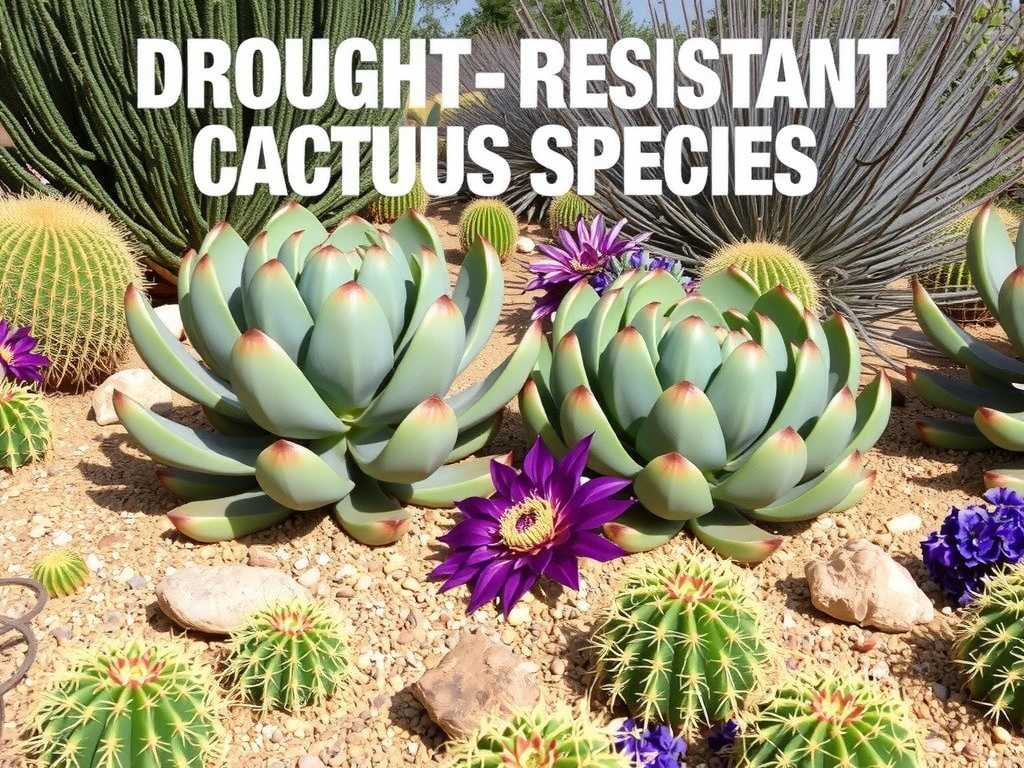
Top Recommended Drought-Resistant Cactus Species for Landscaping
Here are some proven performers, categorized by their landscape role, celebrated for their exceptional drought resistance in landscaping.
Excellent Groundcover and Low-Growing Choices
- Opuntia basilaris (Beavertail Prickly Pear): A stunning, nearly spineless groundcover with vibrant pink spring flowers and purple pads. It handles cold and intense heat.
- Mammillaria gracilis (Thimble Cactus): Forms dense clusters of small, cylindrical stems. It's cold-tolerant, produces charming white flowers, and is ideal for rock gardens.
Ideal Mid-Size Specimen Plants
- Ferocactus wislizeni (Fishhook Barrel Cactus): A classic barrel shape with striking red-orange hooks. It’s incredibly drought-tolerant and serves as a perfect, architectural centerpiece.
- Echinocereus triglochidiatus (Claret Cup Cactus): Known for its breathtaking, fiery red blooms in spring. It forms clumps and is remarkably cold-hardy.
Striking Large-Scale Focal Points
- Carnegiea gigantea (Saguaro): The iconic symbol of the Sonoran Desert. Only for frost-free areas, it requires decades to reach great heights but offers unmatched grandeur.
- Yucca rostrata (Beaked Yucca): While not a true cactus, this succulent is a staple in arid landscaping for its perfect, pom-pom shape of slender blue leaves on a tall trunk. It provides extreme drought tolerance and dramatic form.
Designing and Planting Your Cactus Landscape
Selection is only half the journey. Proper installation ensures long-term success and visual harmony.
Incorporating Companion Plants and Hardscaping Cacti rarely look their best alone. Pair them with other drought-adapted plants (xeriscaping principles) for texture and color contrast. Use ornamental grasses, agaves, aloes, and sprawling succulents like Sedum. Integrate hardscaping elements—decomposed granite pathways, river rock mulch, and boulders—to enhance the natural aesthetic and improve drainage.
Mastering Planting Techniques for Success
- Timing: Plant in the warm season (spring to early fall) so roots establish before cold weather.
- The Hole: Dig a hole as deep as the root ball and 2-3 times as wide.
- Soil Amendment: Mix your native soil with 50-70% inorganic material (pumice, coarse sand).
- Planting: Handle with thick gloves and newspaper. Set the plant so the root ball's top is slightly above the surrounding soil to prevent water pooling at the base. Backfill with your amended mix.
- Watering: Water deeply immediately after planting to settle the soil. Then, follow a "soak and dry" method, allowing the soil to completely dry out before watering again. Established cacti may need little to no supplemental water.
Caring for Your Established Cactus Garden
Once established, your landscape will be remarkably self-sufficient. Minimal care involves:
- Watering: Infrequent, deep irrigation during periods of extreme drought or extended heat.
- Fertilizing: A light application of a low-nitrogen, water-soluble fertilizer in early spring can boost growth and flowering.
- Protection: In marginal climates, use frost cloth during unexpected severe freezes. For prized specimens, a simple rain shelter in winter can prevent rot from cold, wet soil.
Frequently Asked Questions
How often do I really need to water my newly planted drought-resistant cacti? For the first season, water approximately every 7-10 days during hot, dry weather, allowing the soil to dry between waterings. This encourages deep root growth. After the first year, most species will rely solely on rainfall, except during exceptional droughts.
Can I plant cacti in areas that occasionally get frost or snow? Absolutely. Many species are adapted to cold. The key is ensuring the soil is completely dry before a freeze hits. Wet soil combined with freezing temperatures is the main cause of death. Selecting cold-hardy varieties like many Opuntia, Escobaria, and Echinocereus is essential for these climates.
What are the best cactus choices for a completely "no-water" landscape once established? For a truly zero-irrigation landscape in an arid region, native species are your best bet. Research cacti indigenous to your specific area. Excellent ultra-drought-tolerant choices include Opuntia engelmannii, Ferocactus cylindraceus (California Barrel Cactus), and Mammillaria microcarpa. Remember, even these will need initial watering to establish over their first year.
Building an arid landscape with drought-resistant cacti is an investment in timeless beauty and ecological responsibility. By methodically assessing your site, choosing plants based on hardiness and form, and planting them correctly, you create a living sculpture garden that conserves water, supports local ecology, and provides year-round interest with minimal upkeep. Your landscape will become a personal testament to resilience and natural elegance.