Have you ever admired the striking silhouette of a prickly pear cactus and wondered if you could actually eat it? You're not alone. Many home gardeners, sustainable living enthusiasts, and drought-tolerant landscape lovers are drawn to the idea of incorporating these resilient, low-water, perennial succulents into their edible landscapes. As water scarcity becomes a growing concern for gardeners across warm and arid climates, edible prickly pear cacti have emerged as a top choice for low-maintenance, productive edible gardens that thrive with minimal irrigation. However, the excitement of adding these unique plants to your garden can quickly turn to confusion—or worse, a painful mistake. With hundreds of Opuntia species spanning North, Central, and South America, how do you know which ones are safe, palatable, and suitable for home cultivation? Misidentification can lead to unpleasant bitter flavors, uncomfortable digestive issues, or painful contact with irritating spines and tiny, hard-to-remove glochids. This comprehensive, step-by-step guide will walk you through the clear, science-backed, safe steps to identify edible prickly pear cactus species for your edible garden, ensuring your foray into cactus gardening is both delicious, rewarding, and completely risk-free.
Understanding the Prickly Pear Genus: Opuntia Basics for Edible Gardening
Prickly pears belong to the large, diverse Opuntia genus, one of the most widespread cactus groups in the Americas, and not all species are created equal for culinary use. Successful, confident identification starts with recognizing core family traits before narrowing down to specific edible, garden-friendly varieties. All true prickly pears have flattened, pad-like stems called cladodes (commonly referred to as nopales in culinary circles), which are the edible leafy part of the plant used in cooking. They produce vibrant, showy flowers that mature into the iconic pear-shaped fruits, known universally as tunas, which are prized for their sweet, tangy flavor. A critical non-negotiable safety note: Always be 100% certain of your identification before consuming any wild or cultivated plant, and never consume any cactus part if you have doubts—when in doubt, leave it out. For beginner gardeners, starting with nursery-bred edible varieties eliminates the risk of misidentifying wild, inedible Opuntia species.
Key Visual Markers for Safe, Tasty, Garden-Grown Edible Prickly Pear Species
When learning how to identify edible prickly pear cactus for your home edible garden, focus on these consistent, easy-to-spot physical characteristics that separate culinary-grade varieties from ornamental or inedible types. Reliable edible species typically share a combination of these traits, making them simple to distinguish even for novice cactus growers, and these markers are also critical for selecting healthy plants that will produce abundant nopales and fruit year after year.
Pad (Cladode) Appearance: A Top Identification Clue
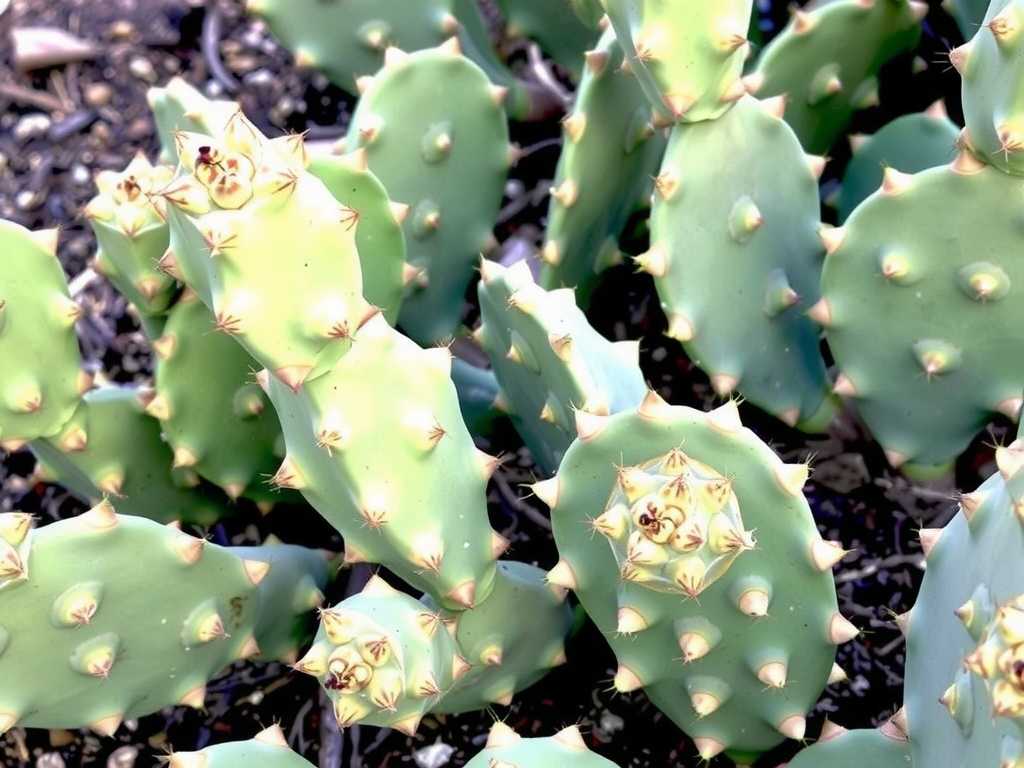
Edible varieties often have pads that are a consistent, medium to blue-green color, with a smooth, firm texture free of blemishes, spots, or discoloration. They should look plump and healthy, not desiccated, wrinkled, or yellowed, which signals poor health or nutrient deficiency. While pad size varies by species and maturity, pads intended for nopales harvesting are always best when picked young and tender, roughly hand-sized, before they develop thick, fibrous tissue. Mature pads on edible species can become tough, woody, and unpalatable, so timing your harvest is just as important as identifying the right species. For garden planning, these compact young pads are also easier to handle and prepare for meals.
Spines and Glochids: Crucial Safety & Identification Point
This is a make-or-break identification and safety point for edible prickly pear gardening. Some edible species have long, visible spines; others appear nearly spineless but harbor the real nuisance: tiny, hair-like barbed bristles called glochids. These minuscule barbs detach easily from the pad surface, embed deeply in skin, and can cause significant, long-lasting irritation that’s hard to treat. For home garden safety, many cultivated edible varieties, like the popular Opuntia ficus-indica, are selectively bred to have fewer or no large, sharp spines, but glochids are almost always present on every edible Opuntia species. Always use heavy-duty leather gloves and long-handled tongs when handling, harvesting, or trimming these plants to avoid painful contact.
Flowers and Fruit Color: Unmistakable Edible Species Markers
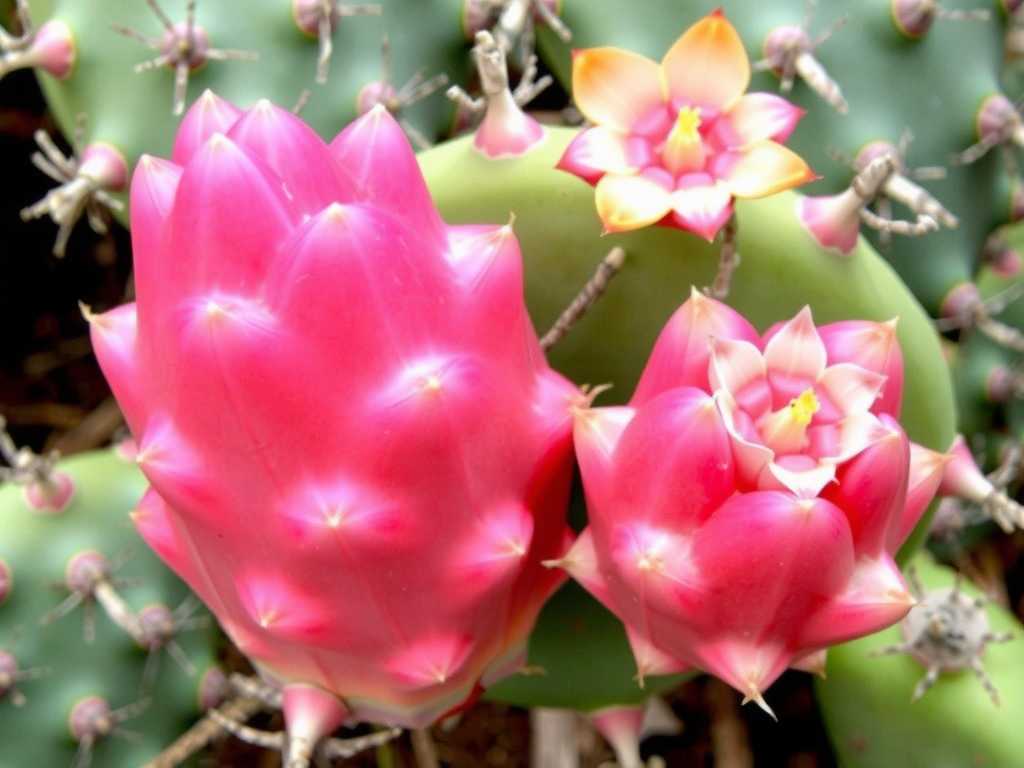
Flower color is a fantastic, quick identifier for edible prickly pear types. Common garden-friendly edible varieties often boast bright yellow, vibrant orange, or rich red blooms that stand out in the landscape, attracting pollinators like bees and butterflies to boost garden biodiversity. The fruit color is an even bigger giveaway for edibility and ripeness. While immature fruit is uniformly green, ripe edible tunas typically turn deep shades of red, purple, magenta, or sometimes a golden yellow when fully mature. Dull, pale greenish, brown, or shriveled fruit is almost always a sign of inedible, poor-tasting, or unripe species that should be avoided entirely.
Top Edible Prickly Pear Species for Home Edible Gardens (Beginner-Friendly Picks)
Here are the most reliable, widely cultivated, and easy-to-identify edible prickly pear species for your edible garden, perfect for beginners and experienced gardeners alike. Focusing on these proven varieties minimizes identification risk, maximizes flavor and harvest yield, and ensures your cactus garden is productive and low-effort. These species are also widely available at reputable nurseries, succulent plant shops, and online edible garden suppliers, making them easy to source for home planting.
Opuntia ficus-indica (Indian Fig Prickly Pear)
This is the undisputed king of edible prickly pears, commercially grown worldwide for both culinary and agricultural use, and the top choice for growing
edible cactus varieties in home gardens. It’s highly adaptable to container gardening and in-ground planting, making it ideal for small spaces, patios, and large landscape gardens alike.
Identification: Large, tree-like structure that matures to a substantial size, perfect for focal points in drought-tolerant gardens. Pads are oval, thick, blue-green, and often have few or no long spines (but tiny glochids are still present, requiring careful handling). Flowers are typically a bright, sunny yellow or soft orange, blooming in late spring to early summer. The fruits are large, plump, and varying from green to deep red to rich purple when fully ripe, with a thick, protective skin.
Flavor & Use: The pads (nopales) are mild, slightly tangy, and incredibly versatile, ideal for sautés, salads, scrambled eggs, and grilling. The fruit is sweet and juicy, with a unique flavor reminiscent of watermelon and bubblegum, perfect for fresh eating, jams, syrups, sorbets, and craft cocktail mixers.
Opuntia engelmannii (Engelmann's Prickly Pear)
A common native wild species in the southwestern U.S. that is also excellent for cultivated edible gardens, well-adapted to hot, dry climates and poor, sandy soil conditions.
Identification: Forms large, spreading clumps that create a dense, low hedge in the garden. Pads are round to oval, ranging from blue-green to yellow-green. It has long, white or gray spines and abundant glochids, so extra caution is needed during harvest. Flowers are a brilliant, eye-catching yellow, sometimes with a subtle red center. Fruits are deep red to purple when ripe, smaller than Opuntia ficus-indica but packed with flavor.
Flavor & Use: The fruit is tart and juicy, with a bright, bold flavor excellent for making tangy syrups, candies, jellies, and fruit sauces. The young, tender pads are also fully edible and taste great when cooked, matching the versatility of other edible nopales.
Opuntia basilaris (Beavertail Cactus)
A nearly spineless, compact option prized for its manageable harvesting and ornamental value, making it a dual-purpose plant for edible and decorative garden spaces.
Identification: Forms low, spreading clumps of blue-gray, rounded, beaver-tail shaped pads, perfect for rock gardens, container planters, and small edible garden plots. It lacks long, prominent spines but has dense clusters of tiny glochids, so caution is still essential when handling. Its stunning flowers range from deep pink to vibrant magenta, adding a pop of color to the garden. The fruit is dry, gray, and not typically eaten, but the tender pads are the star culinary feature here.
Flavor & Use: The young, tender pads are widely considered some of the best-tasting nopales available, with a pleasant, slightly sour, green bean-like flavor that pairs beautifully with Mexican and Mediterranean-inspired dishes.
A Step-by-Step Foraging and Harvesting Safety Protocol for Home Garden Prickly Pear
Correct identification is the first critical step; safe, proper handling and harvesting are the next to ensure a pain-free, successful harvest. Botanist and edible gardening expert Dr. Elena Rodriguez emphasizes, "Respect for the plant's natural defenses is non-negotiable for any edible cactus gardener. Proper tools and gentle technique prevent a fun foraging adventure from becoming an uncomfortable medical nuisance." Following a consistent safety routine also preserves the plant’s health, ensuring continuous growth and future harvests.
Gear Up Fully: Always wear thick, puncture-resistant leather gloves, use long-handled kitchen tongs or pliers to handle pads and fruit, and wear safety glasses to protect your eyes from airborne glochids that can dislodge during trimming.
Harvesting Pads (Nopales): Select young, tender pads from the current season's new growth, avoiding old, woody mature pads. Using a sharp, clean garden knife, make a clean cut at the narrow joint where the pad connects to the main stem to avoid damaging the plant. Place harvested pads directly into a sturdy, lidded container to prevent glochid spread.
Harvesting Fruit (Tunas): Wait until the fruit is fully colored, plump, and twists off easily with a gentle tug (always use tongs—never bare hands!). Avoid fruit with significant blemishes, mold, or insect damage, as these can affect flavor and safety.
De-Spiking and Cleaning: This step is essential for safe eating. For pads, use a vegetable peeler or sharp knife to scrape off all spine and glochid clusters, trimming the edges for a smooth finish. For fruit, roll them vigorously in coarse sand or rinse under high-pressure water (while holding firmly with tongs) to dislodge all glochids before peeling or handling with bare hands.
From Garden to Table: Preparing Your Edible Prickly Pear Harvest
Once correctly identified and safely harvested, your prickly pear opens up a world of unique, healthy culinary possibilities for your edible garden. Sautéed nopales are a classic, nutrient-packed addition to scrambled eggs, tacos, and grain bowls; grilled pads make a flavorful, low-carb side dish seasoned with olive oil, lime, and salt. The vibrant fruit juice can be transformed into refreshing sorbet, homemade cocktail mixers, simple dessert toppings, or chilled fruit drinks. The key to enjoying delicious prickly pear dishes is starting with a correctly identified, edible species—the fresh, bright flavors will naturally shine through with minimal preparation. Plus, both nopales and tunas are rich in dietary fiber, vitamin C, and antioxidants, adding a nutritional boost to your homegrown meals.
Frequently Asked Questions for Edible Prickly Pear Gardeners
Is it safe to eat prickly pear cactus from the wild? While many wild Opuntia species are technically edible, it is not recommended for beginner gardeners or novice foragers. Risks include accidental misidentification of inedible lookalike species, contamination from environmental pollutants, pesticides, or herbicides, and overharvesting protected native plant populations. The safest, most reliable approach is to obtain healthy plants or cuttings from a reputable nursery specializing in edible garden succulents for your home garden.
How can I tell if a prickly pear fruit is ripe and ready to eat? A ripe prickly pear tuna will have a deep, uniform, vibrant color (red, purple, or golden yellow, depending on the species) and will feel slightly soft to the touch when gently squeezed with tongs. It should detach cleanly from the pad with a light twist, no force needed. A pale green color and rock-hard feel indicate it is not yet ripe and will taste bitter and unpalatable.
What's the easiest edible prickly pear for a beginner to grow and identify? Opuntia ficus-indica, the Indian Fig Prickly Pear, is highly recommended for beginners. Its large size, low-spine structure, widespread availability at garden centers, distinctive large yellow flowers, and colorful, large fruit make it incredibly easy to identify with confidence. It is also highly prolific, drought-tolerant, and adaptable to container gardening, making it perfect for new edible gardeners looking to try cactus cultivation.
Embracing prickly pears in your edible garden is a rewarding journey into sustainable, water-wise gardening and unique, global flavors. These hardy succulents require minimal water, care, and maintenance compared to traditional garden vegetables, making them a perfect choice for eco-conscious gardeners, busy homeowners, and those living in dry, warm climates. By learning to observe the key identification markers—pad color and shape, flower hue, and ripe fruit coloration—you can confidently select, grow, and harvest delicious, safe edible prickly pear species. Remember, successful home cactus gardening hinges equally on accurate identification and respectful, careful handling of the plant’s natural defenses. Start with a proven nursery-bred cultivated variety, arm yourself with the right safety tools, and you'll unlock the sun-sweetened, unique bounty of the edible prickly pear cactus for years to come.
 bluename