bluename
 How to Care for Rare Astrophytum Cactus Species in Home Collections
You’ve finally acquired that stunning, star-shaped Astrophytum you’ve been dreaming of. Its unique, speckled skin and geometric form are a true conversation piece. But now, a quiet anxiety sets in. These rare cacti aren’t like your average houseplant; a single misstep in watering or lighting can lead to a slow, heartbreaking decline. The fear of losing such a prized specimen is real for every collector. This guide is designed to transform that anxiety into confidence, providing you with the precise, expert-backed knowledge needed to help your rare Astrophytum not just survive, but truly thrive in your care.
Understanding Your Astrophytum’s Origins
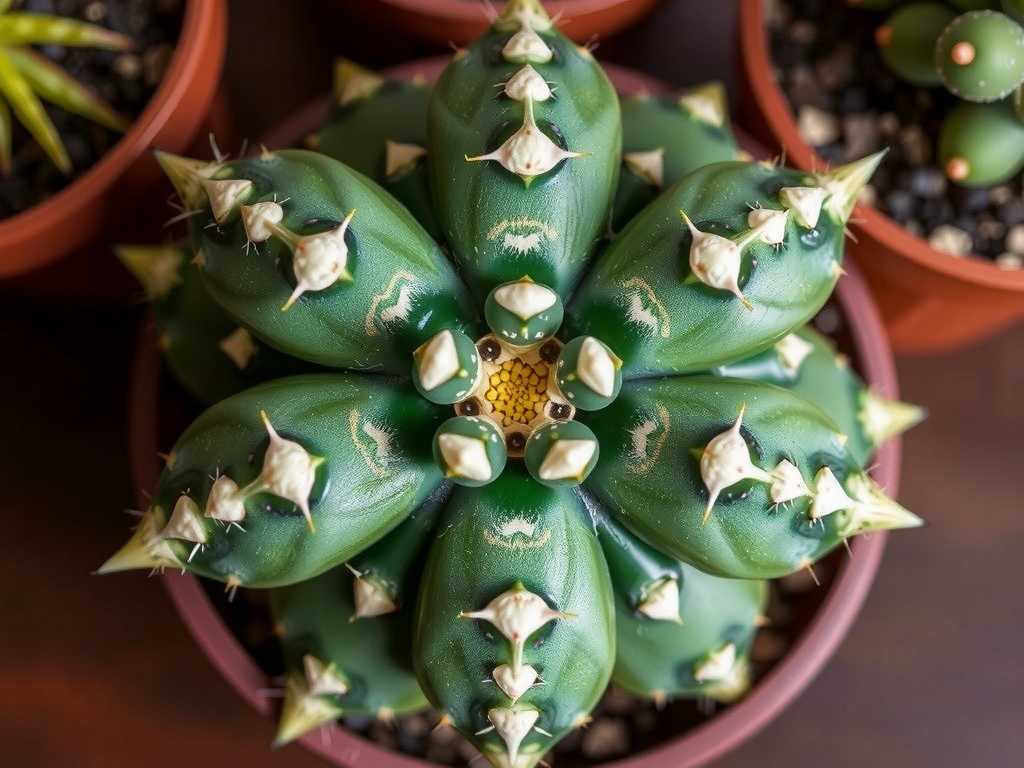
To care for these plants effectively, we must first look to their native habitat. Astrophytum species hail from the harsh, sun-drenched landscapes of northern Mexico and the southern United States. They endure intense sunlight, infrequent but torrential rains, and well-draining, often mineral-rich soils. This evolutionary history is written into their very form—their ribbed structure allows for expansion to store water, while their dense covering of white flecks (trichomes) reflects excess sunlight. As noted by the International Cactus Conservation Initiative, mimicking these conditions is the non-negotiable foundation of successful cultivation. Your goal is not to replicate the stress, but the essential rhythms of light, water, and soil they are genetically programmed to expect.
The Foundation: Perfect Soil and Pot Selection
Everything begins with what your cactus calls home: its pot and soil mix. Getting this wrong is the most common cause of failure, as it directly leads to incurable root rot.
For rare Astrophytums, standard cactus soil from a bag is often insufficient. It tends to retain too much moisture. You need a custom, gritty, and extremely well-draining mix. A proven recipe combines:
- 40% mineral grit (such as pumice, perlite, or coarse sand)
- 40% inorganic substrate (like crushed granite or turface)
- 20% organic matter (a high-quality, sifted cactus compost or coconut coir)
This blend ensures water flows through immediately, hydrating the roots but leaving no soggy environment behind. The pot choice is equally critical. Always select a container with multiple drainage holes. Terracotta pots are excellent for beginners, as their porous nature allows the soil to dry from the sides as well as the top. The pot should be only slightly larger than the cactus’s root ball; an oversized pot holds excess damp soil, which is a death sentence for these slow-growing plants.
Mastering the Art of Watering
Watering is where intuition often fails us. The golden rule for Astrophytum cactus care is: When in doubt, wait it out. These plants are built for drought.
During the active growing season (typically late spring to early fall), water only when the soil is completely dry throughout the pot. Do the “heft test”—learn how the pot feels when dry versus freshly watered. When you do water, practice deep, thorough watering until it runs freely from the drainage holes. This encourages a strong, deep root system. Then, allow for a complete dry-out period.
In winter, most Astrophytums enter a pronounced dormancy. Watering should be drastically reduced or stopped entirely for 2-3 months, especially if kept in cool conditions (around 50-55°F or 10-13°C). This cool, dry rest period is essential for triggering healthy flowering in the following season.
Providing Optimal Light Conditions
Light is the engine of growth. Rare Astrophytum species demand abundant, bright light to maintain their compact shape and distinctive markings.
A south-facing window is the ideal indoor location. East or west-facing windows can work but may require monitoring for signs of etiolation (stretching). If natural light is insufficient, especially in northern climates, investing in a full-spectrum grow light is highly recommended. Provide 10-12 hours of light per day.
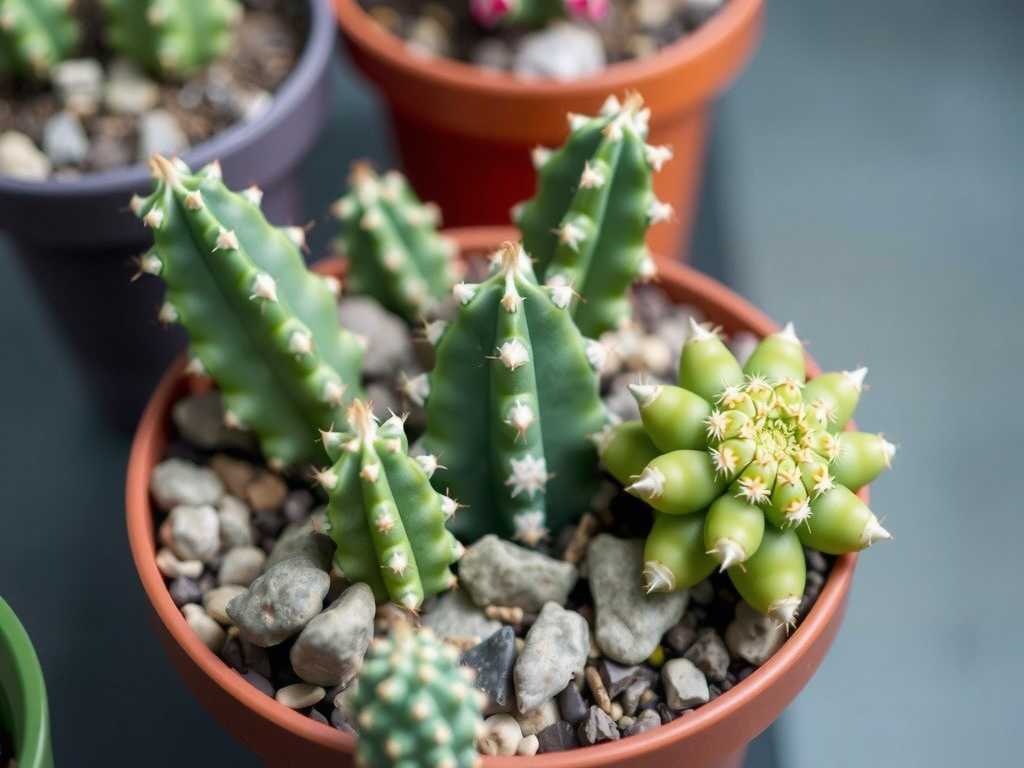
Acclimate your cactus gradually to direct sun, especially after purchase or a dark winter, to prevent sunburn. Those characteristic white flecks act as a natural sunscreen, but a sudden move into intense light can still cause scarring.
Seasonal Temperature and Humidity Management
Astrophytums appreciate warmth during their growth phase but benefit from a significant temperature drop in winter. Summer temperatures between 70-95°F (21-35°C) are ideal. They can tolerate higher heat if airflow is good.
More importantly, they require a cooler, dry winter rest. Aim for temperatures between 40-55°F (5-13°C) if possible. This seasonal cycle mimics their natural habitat and is crucial for long-term health and flower bud formation. As for humidity, average household levels are generally fine. High humidity combined with cool soil is a major risk factor for fungal issues and rot. Ensure excellent air circulation around your plants year-round.
Fertilizing for Health, Not Just Growth
Less is more when feeding your Astrophytum collection. These are slow-growing plants adapted to nutrient-poor soils.
Use a fertilizer specifically formulated for cacti and succulents, which is typically low in nitrogen. A balanced, water-soluble fertilizer diluted to half-strength is also acceptable. Apply this only during the active growing season, no more than once a month. Never fertilize during the dormant winter period, as the plant cannot use the nutrients and salt buildup in the soil can damage the delicate roots.
Propagation Techniques and Specialized Care
Increasing your collection or saving a plant often comes down to propagation. For rare Astrophytums, growing from seed is the most common and rewarding method. It requires patience, as these are slow growers from the start. Sow seeds in a sterile, moist (not wet) medium, cover with a clear lid to maintain humidity, and provide consistent warmth and light. Germination can take several days to weeks.
Some species, like Astrophytum myriostigma, readily produce offsets (pups) that can be carefully removed and rooted. Grafting is another advanced technique used by specialists to accelerate the growth of rare or slow-maturing cultivars, such as the highly prized Astrophytum asterias ‘Super Kabuto’.
Troubleshooting Common Problems
- Yellowing or Softening at the Base: Almost always a sign of overwatering and early root rot. Stop watering immediately. Unpot the plant, remove all soft, mushy roots with a sterile tool, and let it dry for several days before repotting in fresh, dry mix.
- Pale, Stretched Growth (Etiolation): A clear cry for more light. Gradually increase light exposure.
- Brown, Corky Patches: Usually a sign of physical damage or old scarring. It is not contagious but is permanent.
- White, Cottony Masses (Mealybugs): A common pest. Isolate the plant. Use a cotton swab dipped in isopropyl alcohol to dab and remove the insects. For severe infestations, a systemic insecticide may be necessary.
- Lack of Flowering: This is typically due to insufficient light during the growing season or, more commonly, the lack of a proper cool, dry dormancy period in winter.
How often should I really water my Astrophytum asterias? There is no weekly schedule. Water your Astrophytum asterias only when the soil is completely dry, which may be every 10-14 days in hot summer weather and potentially not at all for 8-12 weeks during its winter dormancy, especially if kept cool.
Can I use tap water for my rare cactus collection? It’s best to avoid tap water if it is very hard (high in minerals). The calcium and other salts can build up in the soil and on the plant’s base, causing unsightly deposits and potentially hindering nutrient uptake. Using rainwater, distilled water, or filtered water is a safer long-term practice for maintaining pristine Astrophytum specimens.
Why is my Astrophytum losing its white flecks (trichomes)? This can happen due to inconsistent watering, low light levels, or simply as part of the aging process on older stem sections. The most common culprit is overhead watering or brushing against the plant, which physically rubs the delicate flecks off. Water at the soil level and handle your plant minimally.
Caring for rare Astrophytum cacti is a practice in mindful observation and patience. It’s about creating a stable environment that echoes the essential rhythms of their native desert homes—intense light, infrequent but deep water, gritty soil, and a period of respectful winter rest. By adhering to these principles, you move beyond simply keeping a plant alive. You become a steward for a living sculpture, ensuring its unique, starry beauty endures and flourishes for years to come in your home collection.