bluename
 How to Select Climbing Fishbone Cactus Species for Trellis Decor
Choosing the right climbing fishbone cactus species for your trellis decor can feel overwhelming. With so many varieties available, how do you know which one will thrive on your specific structure and meet your aesthetic vision? Selecting the wrong plant can lead to poor growth, a lackluster display, or even plant failure. This guide will walk you through the entire selection process, ensuring you pick the perfect species to create a stunning, living wall or vertical garden feature.
Understanding the Fishbone Cactus for Vertical Growth
The fishbone cactus, primarily species from the Epiphyllum anguliger (now often classified as Disocactus anguliger) and related genera, is renowned for its unique, zig-zagging stems. Unlike desert cacti, it’s an epiphytic jungle cactus that naturally climbs trees in search of light. This inherent climbing habit makes it an exceptional candidate for trellis decor. When you select a climbing fishbone cactus for a trellis, you’re working with its natural instincts, encouraging it to create a dense, textured green cascade.
Key Factors for Selecting Your Trellis Cactus
Your choice should be guided by three pillars: the plant’s characteristics, your trellis environment, and your desired decorative outcome. Ignoring any one of these can compromise your project's success.
Assessing Plant Characteristics: Growth Rate and Mature Size
Not all fishbone cacti grow at the same pace or reach the same size. For trellis decor, understanding this is crucial.
- Fast-Growing Species: Varieties like the classic Disocactus anguliger are relatively vigorous. They are ideal if you want to cover a trellis quickly, perhaps for a privacy screen or to achieve a "full" look within a single growing season with proper care.
- Moderate or Slow-Growing Species: Some hybrids or related species with highly ornamental features may grow more slowly. These are perfect for smaller trellises, framed wall art, or where you desire more controlled, detailed coverage. Always research the potential mature length of the stems. A species that can trail or climb 6 feet will need a suitably sized and sturdy trellis, while a compact variety is better suited for a small, decorative obelisk in a pot.
Evaluating Your Trellis Environment: Light and Support
The trellis isn’t just decorative; it’s part of the plant’s environment.
- Light Conditions: This is the most critical factor. Fishbone cacti prefer bright, indirect light. Direct afternoon sun can scorch their stems. Assess the light where your trellis is placed. Is it a bright bathroom window (ideal for humidity too), a north-facing wall, or an east-facing patio? Match the species to the light. Some can tolerate slightly lower light levels but may grow less densely.
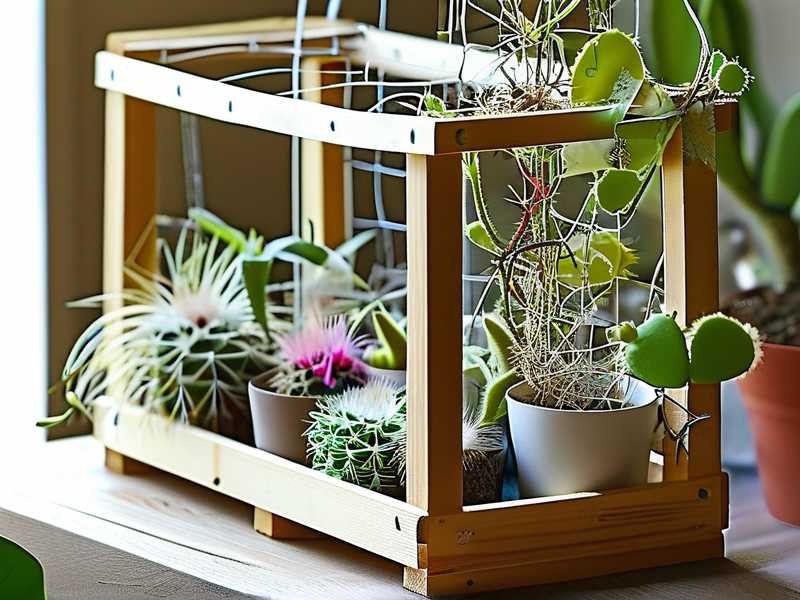
- Trellis Structure and Material: The trellis must provide adequate support. As horticulturist Dr. Eleanor Vance notes in The Epiphytic Gardener, "The stems of climbing epiphytes need secure, gentle attachment points to establish and climb." A tightly spaced grid or a mesh panel offers more anchor points for the cactus’s aerial roots to grasp than a widely spaced wooden lattice. Ensure the material (wood, metal, plastic) is suitable for the humidity levels required by the plant.
Aligning with Aesthetic Goals: Foliage and Flower Potential
Your trellis decor is a visual statement. Different species offer different looks.
- Foliage Texture and Color: The classic fishbone has deep green, notched stems. However, some varieties may have reddish edges under high light, or broader, slightly different zig-zag patterns. Choose based on the color contrast you want against your wall or trellis color.
- Flower Consideration: While the foliage is the main attraction, the nocturnal, fragrant flowers are a spectacular bonus. Flowering is more likely in mature plants that have experienced a slight winter cool period. If blooms are a high priority, select a known free-flowering species like Disocactus anguliger and ensure its cultural needs for blooming are met.
Top Climbing Fishbone Cactus Species for Trellis Designs
Here are specific recommendations to help you choose the best cactus for trellis growth.
Disocactus anguliger: The Classic Choice for Rapid Coverage
This is the quintessential fishbone cactus and a top performer for trellis decor. Its stems are a vibrant green with the iconic, deep serrations. It is a relatively fast grower under optimal conditions, making it excellent for quickly covering a medium to large trellis. Its aerial roots are prolific, allowing it to cling readily to moss poles, wooden lattices, or wire grids. For a reliable and dramatic vertical display, this species is often the best first choice.
Epiphyllum ‘Queen of the Night’ Hybrids: For the Flower Enthusiast
While some Epiphyllum hybrids (often confused with true fishbone cacti) have straighter stems, many exhibit a lovely, angular growth habit suitable for trellises. They are selected primarily for their breathtaking, large, often fragrant flowers that bloom at night. If your trellis decor goal includes creating a magical nighttime focal point with spectacular blooms, a climbing Epiphyllum hybrid is worth considering. Growth may be moderately paced, focusing energy on flower production.
Related Ric Rac or Zig-Zag Cactus Varieties: Unique Textural Appeal
Explore closely related plants like Selenicereus anthonyanus (also called fishbone cactus) or Cryptocereus anthonyanus. Their stems have a similar but sometimes more exaggerated, wavy zig-zag pattern. They can be equally effective on a trellis, offering a slightly different, perhaps more dramatic, textural quality. These species solidify the principle of using angular-stemmed epiphytes for living wall art, providing an alternative visual flavor while meeting the same functional decor needs.
Practical Steps to Train Your Cactus on a Trellis
Selection is only the first step. Proper training ensures success.
- Initial Attachment: Gently weave the longest stems through the trellis openings or use soft plant ties (like jute or velcro) to loosely secure them to the support. Do not tie tightly.
- Encouraging Climbing: Mist the trellis if it’s made of a porous material like wood or coir to encourage aerial root attachment. Position new growth towards the trellis.
- Ongoing Maintenance: As it grows, continue to guide and loosely secure new stems. Prune any wayward or overly long stems to maintain the desired shape and encourage bushier growth from the base.
How often should I water a fishbone cactus on a trellis? Watering depends on light, temperature, and humidity. Generally, water thoroughly when the top inch of soil feels dry. A cactus on a brightly lit trellis may dry out faster than one in a pot on a shelf. Always ensure excellent drainage.
Can I use a metal trellis for my fishbone cactus? Yes, metal trellises are fine, especially coated ones. Be mindful that metal can heat up in direct sun, which could damage stems touching it. Ensure the plant is in bright, indirect light. The aerial roots may not attach to smooth metal as easily, so gentle ties may be needed longer-term.
My fishbone cactus isn’t attaching to the trellis. What’s wrong? Be patient. Attachment via aerial roots takes time and prefers a slightly humid, textured surface. Ensure the environment isn’t too dry. Misting the trellis or providing a moss pole for it to climb can significantly encourage natural attachment. Continue using soft ties for support in the interim.
Selecting the ideal climbing fishbone cactus transforms a simple trellis into a dynamic piece of living sculpture. By carefully matching the plant’s growth habits and needs to your specific trellis environment and design vision, you create the foundation for long-term success. Whether you choose the vigorous classic for rapid coverage or a flowering hybrid for nocturnal drama, the unique angular stems will provide year-round texture and interest. Start with a healthy plant, provide consistent care, and enjoy the process of training your fishbone cactus into a truly remarkable and personal vertical garden display.