bluename
 How to Differentiate Cactus Species Based on Spine Characteristics
Have you ever stood before a collection of cacti, utterly fascinated but completely lost? You see a sea of green forms adorned with spines, yet telling one species from another feels like an impossible puzzle. The sheer variety is overwhelming, and generic plant identification guides fall short when faced with the subtle, spiny details that truly define a cactus. This common frustration stems from not knowing what to look for. The secret lies not in the green flesh, but in the armament it bears. This guide will transform your confusion into clarity by teaching you the systematic art of differentiating cactus species based on their spine characteristics. By learning to read the spines—their arrangement, color, shape, and number—you will unlock a reliable method for identification that turns every cactus into an open book.
Understanding the Language of Spines
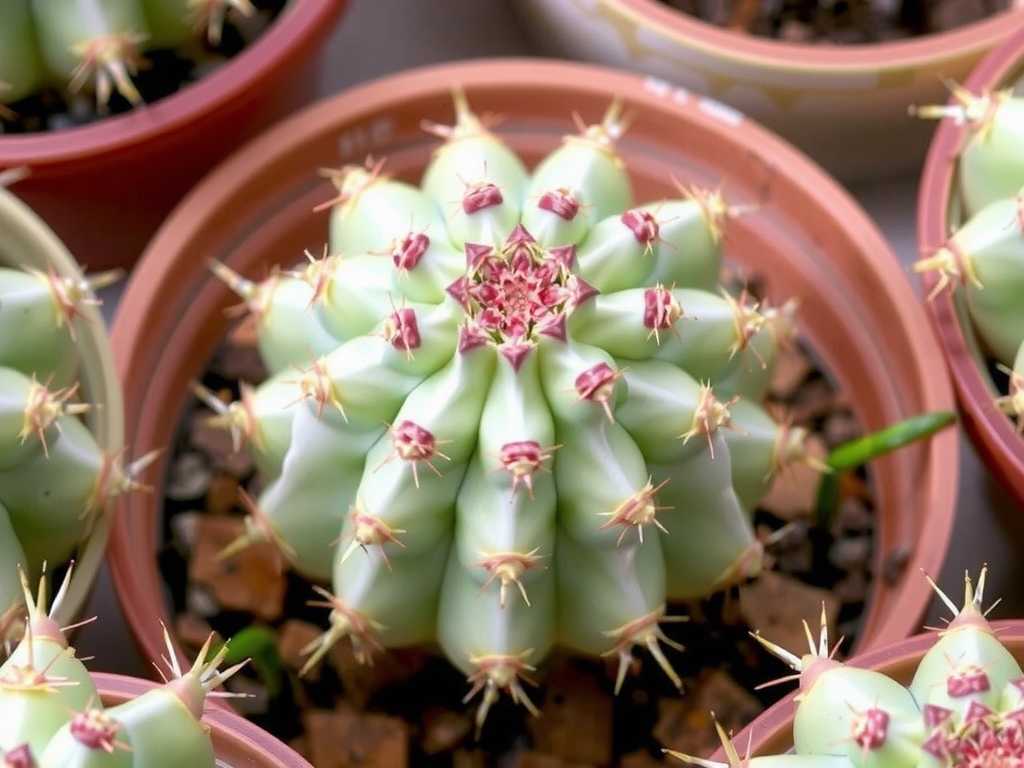
Before diving into specific traits, it's crucial to understand what spines are and their primary functions. Cactus spines are modified leaves, evolved over millennia to perform critical roles in survival. Their primary purposes are defense against herbivores and shading the plant's surface from intense solar radiation. This evolutionary origin means that spine characteristics are not random; they are highly specialized and consistent within a species, making them perfect diagnostic tools.
The Four Pillars of Spine Identification
To effectively identify cactus types by their spines, you must examine four key pillars: Areole Structure, Spine Arrangement & Number, Spine Morphology, and Spine Color & Texture. A methodical observation of these features will lead you to a confident identification.
Areole Structure: The Spine Birthplace
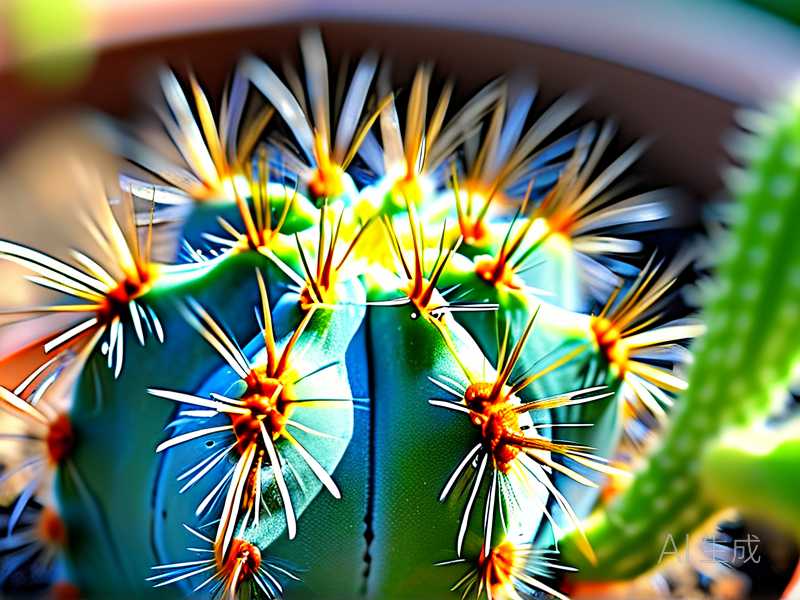
The areole is the fundamental starting point. It is a specialized structure unique to cacti, often appearing as a small, fuzzy, or woolly bump. This is the growth center from which spines, flowers, and new stems emerge. Areoles can be circular, oval, or elongated. Their placement and spacing are species-specific.
- Close vs. Distant: Areoles spaced closely together often create a dense, formidable armor (e.g., many Mammillaria), while widely spaced areoles give a more open, architectural look (e.g., some Carnegiea or Stenocereus).
- Presence of Wool or Hair: Some areoles produce copious wool (like in Cephalocereus senilis, the Old Man Cactus) or hair, which can obscure the spines themselves and is a key identifier.
Spine Arrangement and Number
This is often the most telling characteristic. Observe how spines radiate from the areole.
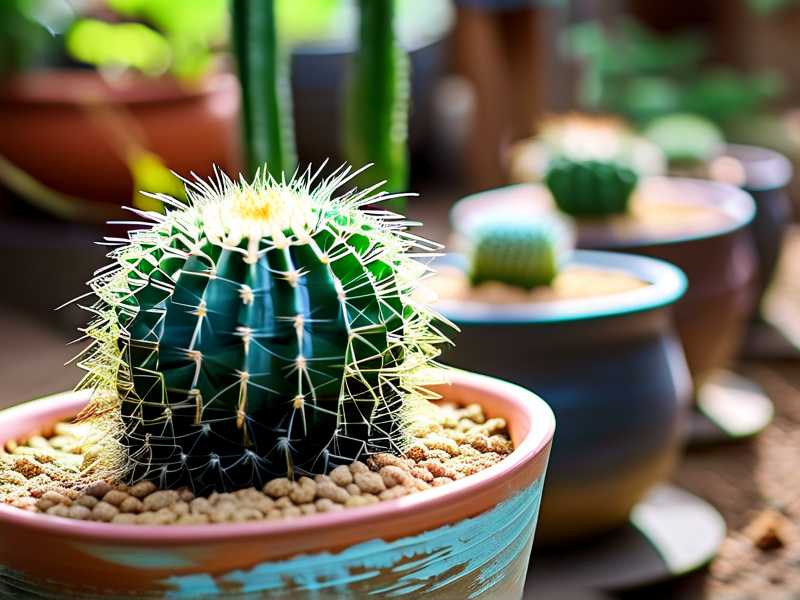
- Radial and Central Spines: The most common arrangement. Multiple smaller radial spines spread out like a star. Often, one or more thicker, longer central spines project from the center of the areole. The count of each is vital. For instance, a Ferocactus may have 4-7 heavy central spines and numerous radials, while a Parodia might have dozens of fine, hair-like radials.
- Comb and Pectinate Spines: Spines that lie flat against the cactus body, arranged neatly side-by-side like a comb (pectinate). This is a hallmark of genera like Mammillaria plumosa or some Echinopsis species.
- Clustered or Solitary Spines: Some cacti, like many Opuntia (prickly pears), have areoles that produce tight clusters of glochids—tiny, barbed, and detachable spines—along with larger, standard spines. Others may have just one or two spines per areole.
Spine Morphology: Shape and Form
Look closely at the individual spine's shape. This goes beyond just "sharp."
- Straight, Curved, or Hooked: Straight spines are common. Curved spines can be graceful or menacing. Hooked spines or barbed spines are a definitive trait for certain groups. For example, many Mammillaria species have distinctive hooked central spines, an adaptation for latching onto passing animals to aid seed dispersal.
- Subulate, Acicular, or Bristle-like: Subulate spines are awl-shaped: thick at the base and tapering to a sharp point (common in Ferocactus). Acicular spines are needle-like, thin, and flexible. Bristle-like spines are fine and often hair-like.
- Flattened or Angular: Some spines are not round but distinctly flattened (like a dagger) or have angular ridges. The "Fishhook Cactus" (Mammillaria dioica) often displays flattened, hooked centrals.
- Papery Sheaths: A fascinating feature of some cacti (notably Tephrocactus) is a papery, decorative sheath that covers the spine. This sheath can be white, tan, or striped and is a dead giveaway for identification.
Spine Color and Texture
Color can vary dramatically and often changes with age.
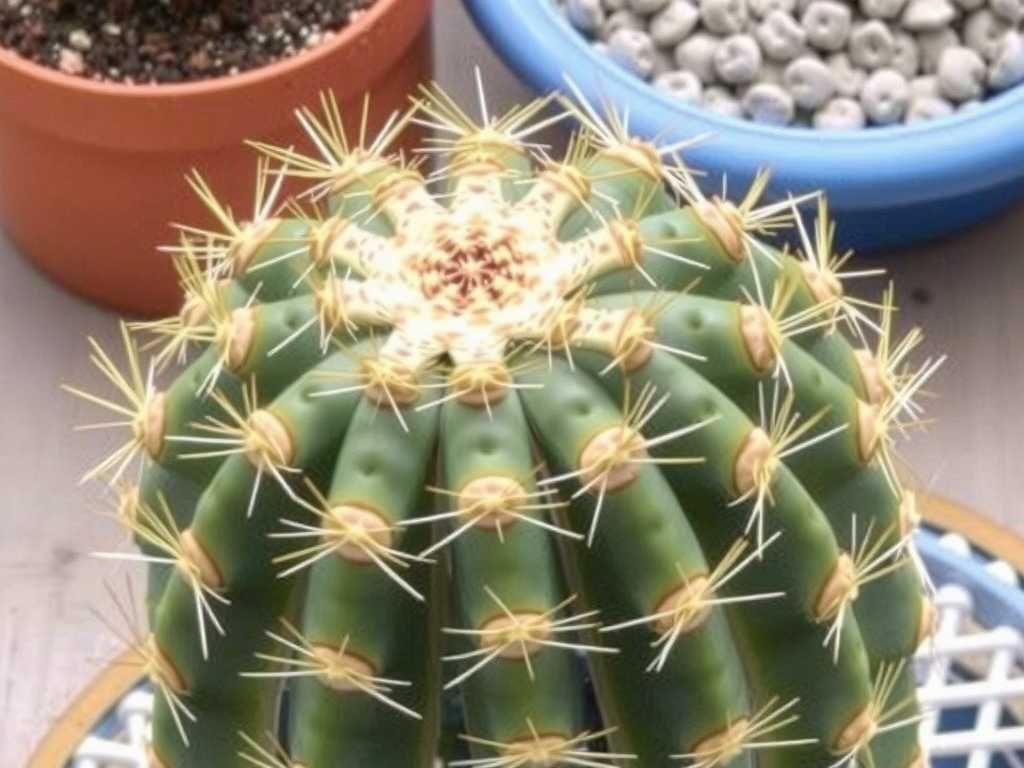
- Youth vs. Maturity: New spines are frequently brightly colored—vibrant reds, yellows, or pure whites. As they age, they often fade to gray, brown, or black. Noting the color of new growth on an areole is informative.
- Bandings and Patterns: Some spines exhibit banding or rings of contrasting color. Others may have a distinctly rough, scaly, or smooth texture. The golden spines of Echinocactus grusonii (Golden Barrel) or the stark white, contrasting with dark tips, on Cleistocactus strausii are iconic examples.
Putting It All Together: A Practical Identification Framework
Let's apply this knowledge to a step-by-step cactus spine identification guide.
- Step 1: Examine the Areole. Note its size, shape, and any wool or hair.
- Step 2: Count and Categorize. Separate central spines from radial spines. Record their approximate numbers.
- Step 3: Describe the Spines. For the central and largest radials, note: Are they straight, curved, or hooked? What is their shape (awl, needle, flat)? What color are they, especially the newest ones? Feel (carefully!) for texture.
- Step 4: Observe the Overall Pattern. Step back. How do the areoles and spines create the plant's overall appearance? Is it densely covered, neatly combed, or starkly architectural?
Case Studies: Spine Identification in Action
- Golden Barrel Cactus (Echinocactus grusonii): Areoles are large, aligned on pronounced ribs. Spines are strictly radial and central, all strong and subulate (awl-shaped). Their vibrant golden-yellow color, which can fade with intense sun, is the key identifier.
- Old Lady Cactus (Mammillaria hahniana): Areoles are on tubercles (nipple-like projections). It boasts many white, hair-like radial spines and several longer, red-to-brown central spines. The copious white hairs from the areole give it a "woolly" look.
- Teddy Bear Cholla (Cylindropuntia bigelovii): This demonstrates a different defense. Its dense covering of silvery-yellow spines appears soft and fuzzy from a distance, but they are actually formidable, barbed spines that detach easily—a perfect example of where color and texture from afar can be deceiving, requiring close inspection of spine morphology.
What is the most reliable spine feature for beginners to start with? For beginners, focusing on the arrangement and number of spines is the most reliable starting point. Simply distinguishing between cacti with many fine, hair-like radials versus those with a few thick, pronounced central spines will immediately narrow down the possibilities. This binary observation is easier to master before moving on to subtler details like morphology or sheath presence.
Can a cactus's spines change over its lifetime? Yes, but in specific ways. The fundamental arrangement and morphology (straight, hooked, etc.) of spines produced from an areole are genetically set and will not change on a mature areole. However, spine color often fades with age and sun exposure. New areoles on growing stems will produce spines consistent with the species. Environmental stress (like extreme light or drought) can sometimes result in slightly shorter or longer spines, but the core identifying features remain constant.
Are there any cacti completely without spines? While rare, yes. Some species, like certain Astrophytum (e.g., Astrophytum asterias, the Sand Dollar Cactus), are naturally spineless or have spines that are reduced to minute scales. Other cacti, like the Christmas Cactus (Schlumbergera), have modified stems without functional spines. However, the vast majority of cacti possess spines, and their absence is, in itself, a key identifying trait for those specific genera.
Mastering the art of identifying cacti by their spines transforms a casual interest into an engaging scientific pursuit. It shifts your perspective from seeing a prickly plant to reading a detailed blueprint of evolution and adaptation. By systematically observing the areole, counting spines, analyzing their shape, and noting their color, you equip yourself with a universal key. The next time you encounter a cactus, you'll see more than just defenses; you'll see the specific signatures of its genus and perhaps even its species. This knowledge not only deepens appreciation but also empowers more informed care, as the spine characteristics often hint at the plant's native habitat and needs. Let the spines be your guide.