bluename
 How to Choose Cactus Species for High-Altitude Gardens: A Complete Guide
You've dreamed of a stunning, low-maintenance cactus garden, but your high-altitude location throws a curveball. Harsh winters, intense sun, and unpredictable weather can turn that dream into a wilted reality. Choosing the wrong cactus species for high-altitude gardens is the most common mistake, leading to disappointment and plant loss. This guide is designed to cut through the confusion. We’ll provide clear, actionable steps to select resilient cacti that won’t just survive, but truly thrive in your unique mountain environment.
Understanding the High-Altitude Challenge
Gardening above 5,000 feet presents a distinct set of conditions. It’s not just about cold hardiness. The combination of factors is what makes plant selection critical.
The primary factors are intense solar radiation, significant temperature fluctuations, and well-draining, often nutrient-poor soil. The sun’s rays are stronger, increasing the risk of sunscald even on cold days. Nights can be frigid, while daytime temperatures might soar, stressing plants not adapted to such swings. Furthermore, snowmelt and rain must drain quickly to prevent fatal root rot.
Your First Step: Decoding the Hardiness Zone
Before you fall in love with a specific cactus, know your zone. The USDA Plant Hardiness Zone Map is your essential starting point. It indicates the average annual minimum winter temperature. A high-altitude garden might be in Zone 4 or 5, even if surrounding lowlands are in Zone 6.
However, at altitude, microclimates are king. A south-facing slope against a stone wall will be significantly warmer than an exposed, north-facing plot. Observe your garden. Note areas that get winter sun, are protected from wind, or collect cold air. This on-the-ground experience, your firsthand expertise, is as valuable as any map.
Top Cactus Species for High-Altitude Success
Now for the exciting part: choosing your plants. Focus on species renowned for cold and sun tolerance. Here are proven performers for high-altitude gardening.
The Resilient Opuntia (Prickly Pear) Family
- Opuntia fragilis (Brittle Prickly Pear): A true champion for cold climates, surviving down to -35°F (Zone 3). Its low, spreading pads form attractive clumps.
- Opuntia polyacantha (Plains Prickly Pear): Another extremely hardy species, tolerant of drought, poor soil, and severe cold. It offers vibrant yellow or pink flowers in early summer.
- Opuntia engelmannii (Engelmann’s Prickly Pear): For slightly milder high-altitude zones, this larger species provides impressive structure and edible fruit.
The Hardy Pediocactus and Escobaria
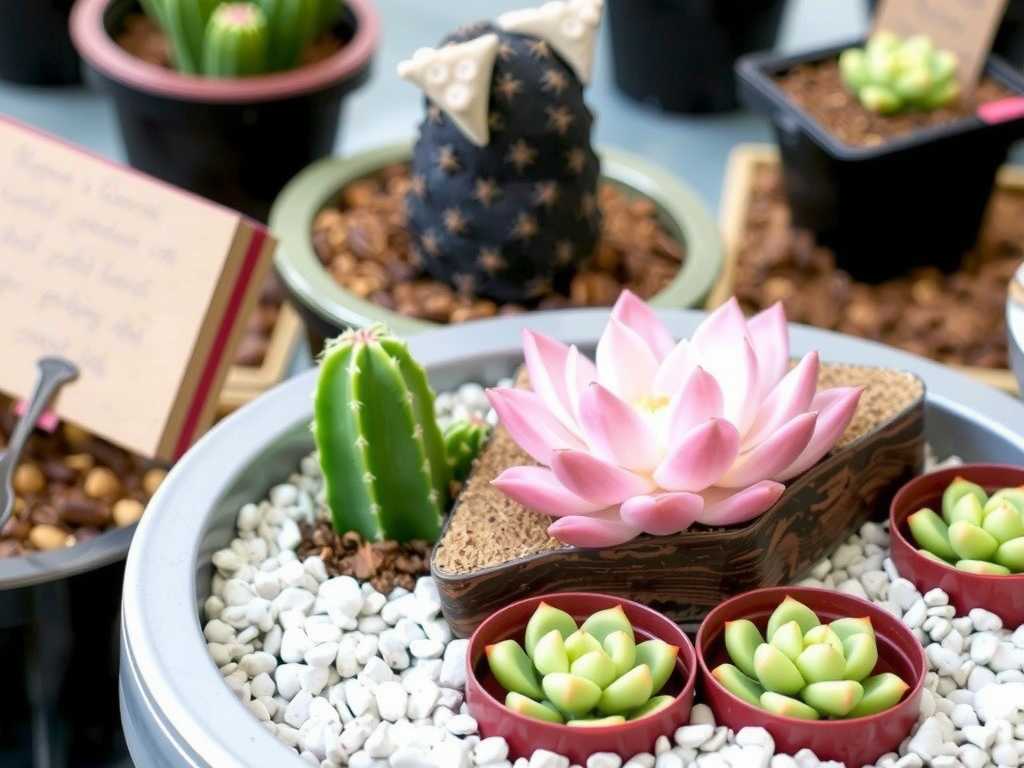
- Pediocactus simpsonii (Mountain Ball Cactus): This spherical cactus is native to high mountain regions and is built for the task. It handles cold, snow cover, and bright light exceptionally well.
- Escobaria vivipara (Spinystar): A small, clustering cactus that produces beautiful rings of pink or purple flowers. It’s naturally found in grassy, high-elevation areas, making it perfectly adapted.
The Tough Cylindropuntia (Cholla)
- Cylindropuntia imbricata (Tree Cholla): With a striking, tree-like form, this cholla adds vertical interest. It’s very cold-tolerant and its woody skeleton provides winter structure. Handle with extreme care due to its tenacious spines.
Key Selection Criteria Beyond Cold
Cold hardiness is non-negotiable, but don’t stop there. To ensure your cactus thrives, evaluate these other crucial traits.
Sun Exposure and Acclimatization
Most cacti crave sun, but high-altitude light is intense. Look for species described as “full sun” tolerant. A critical tip from expert growers is to acclimatize new plants gradually. Even a sun-loving cactus, fresh from a nursery greenhouse, can scorch. Introduce it to full altitude sun over 7-10 days.
Soil and Drainage: The Non-Negotiables
This is where many high-altitude gardens fail. Cacti demand perfect drainage. The ideal mix is mineral-based: combine 50-60% coarse sand, pumice, or crushed granite with 40-50% quality potting soil or compost. As horticulturist Dr. Jane Green advises, “In wet, cold climates, the soil recipe is more important than the plant. A gritty mix is your best insurance policy against winter rot.”
Consider mature size and growth habit. Will that small Opuntia eventually block a path? Does a slow-growing Pediocactus fit your design vision? Planning ahead prevents future problems.
Planting and Ongoing Care for Altitude
Proper planting sets the stage for success. Dig a hole slightly wider but no deeper than the root ball. Planting too deep invites moisture retention around the stem, a major rot risk. Backfill with your gritty soil mix and water deeply once to settle the roots.
Watering wisdom changes with altitude. The growing season may be shorter. Water deeply but infrequently during active summer growth, allowing the soil to dry completely between sessions. The most vital rule: stop watering in early autumn. Let plants dehydrate and enter dormancy before the first hard freeze. A dry cactus is a cold-hardy cactus.
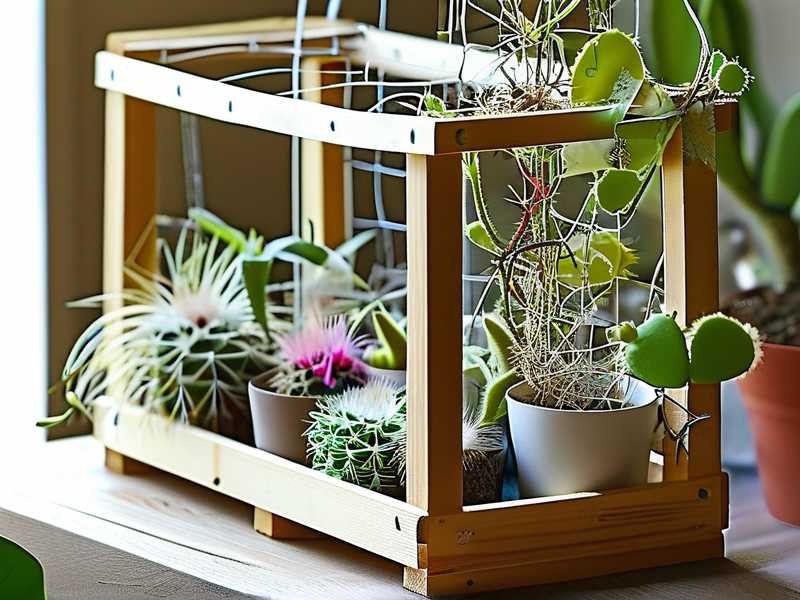
Winter protection can be simple. For extra tender species or in exposed locations, a blanket of dry snow is excellent insulation. You can also use a breathable frost cloth or a simple wooden frame covered with clear plastic to create a dry, mini-greenhouse effect.
Designing Your High-Altitude Cactus Garden
Think beyond individual plants. Group cacti with similar needs together. Combine them with other alpine-hardy succulents like Sempervivum (Hens and Chicks) or drought-tolerant perennials. Use rocks and gravel mulch not just for aesthetics, but to absorb daytime heat and radiate it at night, moderating root zone temperatures. This creates a cohesive, beautiful, and ecologically sensible xeriscape.
Frequently Asked Questions
Can I grow Saguaro (Carnegiea gigantea) in my high-altitude garden? Almost certainly not. Saguaros are iconic but are native to the low-elevation Sonoran Desert and are severely damaged by frost. They are unsuitable for areas with freezing winter temperatures. Focus on the cold-hardy species listed in this guide instead.
How do I protect my cacti from heavy, wet snow? The main risk is breakage from heavy snow load. For columnar or tall cacti, gentle brushing off of heavy, wet snow can prevent damage. For smaller clumping types, a simple A-frame made of wood and plexiglass placed over the plant before the first snow can keep it dry and protected.
Is fertilizer necessary for cacti at high altitudes? Minimal fertilization is best. These plants are adapted to lean soils. A single application of a low-nitrogen, balanced fertilizer (like a 5-10-10 formula) diluted to half-strength in early summer, as growth begins, is sufficient. Over-fertilizing leads to weak, sappy growth that is more susceptible to cold damage and rot.
Selecting the right cactus for your high-altitude garden transforms a challenging landscape into an opportunity for unique beauty. By prioritizing proven cold-hardy species, mastering soil and drainage, and adapting your care to the shorter seasons, you create a resilient garden. It’s a testament to understanding and working with your environment, resulting in a striking, low-maintenance landscape that flourishes against the odds. Start with a hardy Opuntia or Pediocactus, apply these principles, and watch your high-altitude cactus garden thrive.