bluename
 How to Care for Cactus Species During Heatwaves: A Complete Survival Guide
You might think your cactus is invincible, thriving in the relentless sun. Yet, during a severe heatwave, you notice unsettling signs: sunburned patches, a shriveled or mushy base, or a plant that seems to be baking in its own pot. The truth is, while cacti are desert champions, extreme and prolonged heat poses a unique and serious threat. This guide will walk you through the essential steps to protect your cactus species during a heatwave, ensuring they not only survive but continue to thrive.
Understanding Heat Stress in Cacti
First, it’s crucial to recognize that heat stress is different from drought stress. Cacti are masters of water conservation, but their survival mechanisms can be overwhelmed. During a prolonged extreme heat event, air temperatures can soar high enough to damage plant tissue directly, while soil temperatures can spike, effectively "cooking" the sensitive roots. Furthermore, the plant’s metabolism goes into overdrive, and water loss through transpiration can outpace the plant’s ability to manage it, leading to severe dehydration.
Key Signs Your Cactus is Struggling in the Heat
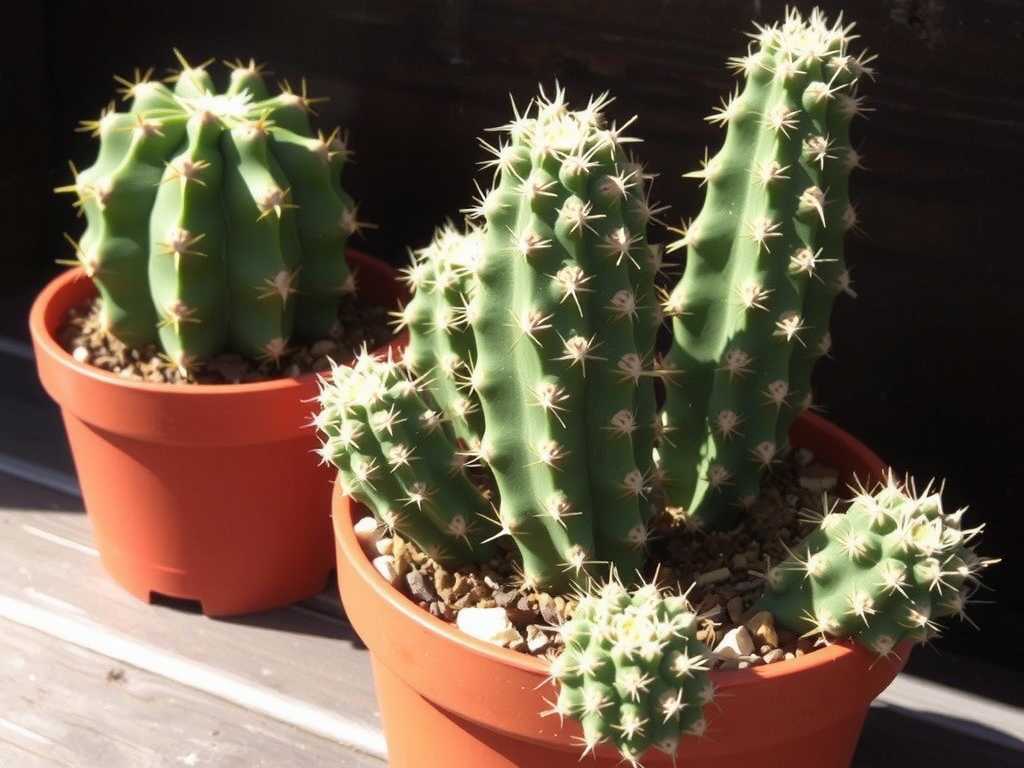
- Discoloration and Sunburn: Look for yellowing, bleaching, or brown, crispy patches, especially on the side facing the most intense sun. This is actual cellular damage.
- Shriveled Skin: While some wrinkling is normal during drought, excessive, deep wrinkles that don’t plump up after watering indicate critical water loss.
- Soft or Mushy Tissue: This can be a sign of root rot from overwatering in heat, or in severe cases, the plant cells are literally being cooked.
- Stunted Growth or Wilting: The plant may enter a state of extreme dormancy to preserve resources.
Your Step-by-Step Heatwave Care Plan
Immediate Actions: Shade and Shelter
The single most effective thing you can do is to reduce direct solar exposure. This doesn’t mean moving your plant to a dark corner, but rather providing filtered light.
- For Potted Cacti: Relocate them to a spot with bright, indirect light. Use a patio umbrella, a shade cloth (30-50% density), or place them on the east side of a building for gentle morning sun only.
- For In-Ground Cacti: Erect temporary shade using a shade cloth anchored on stakes. Even a sheer curtain or a piece of burlap can make a significant difference during the peak afternoon hours. As noted by Dr. Sarah Browning, a horticulture extension educator, “Providing afternoon shade is the most effective way to prevent sunscald on plants during heatwaves.”
Mastering the Watering Technique
Watering during a heatwave is a delicate balance. The goal is to provide moisture without suffocating the roots.
- The Deep Soak Method: Water deeply and thoroughly until water runs freely from the drainage holes. This encourages roots to grow downward, away from the hot surface soil. Ensure the pot has excellent drainage.
- Timing is Everything: Water your cactus plants early in the morning, before temperatures climb. This allows water to reach the roots and be absorbed before the day’s peak heat, minimizing evaporation and preventing water from sitting in the pot, which can get dangerously hot.
- Frequency: Do not water on a fixed schedule. Check the soil moisture. For most cacti, wait until the soil is completely dry at least 2-3 inches deep before watering again, even during a heatwave. Overwatering is a faster killer than underwatering.
Optimizing Soil and Pot Conditions
Your cactus’s environment is its first line of defense.
- Soil Check: Ensure you are using a fast-draining, gritty cactus and succulent mix. Standard potting soil retains too much moisture and heat.
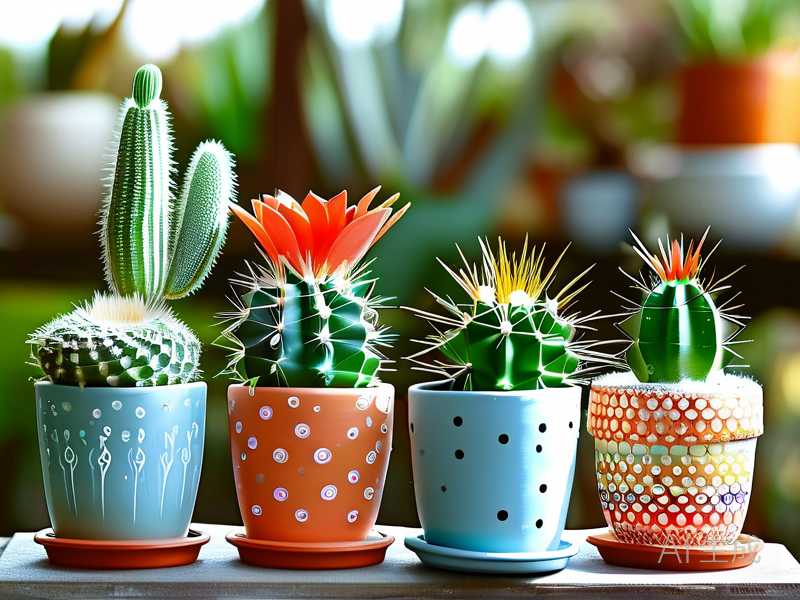
- Pot Material Matters: Light-colored ceramic or plastic pots absorb less heat than dark-colored or metal pots. If a black plastic pot is sitting in full sun, the root zone temperature can become lethal.
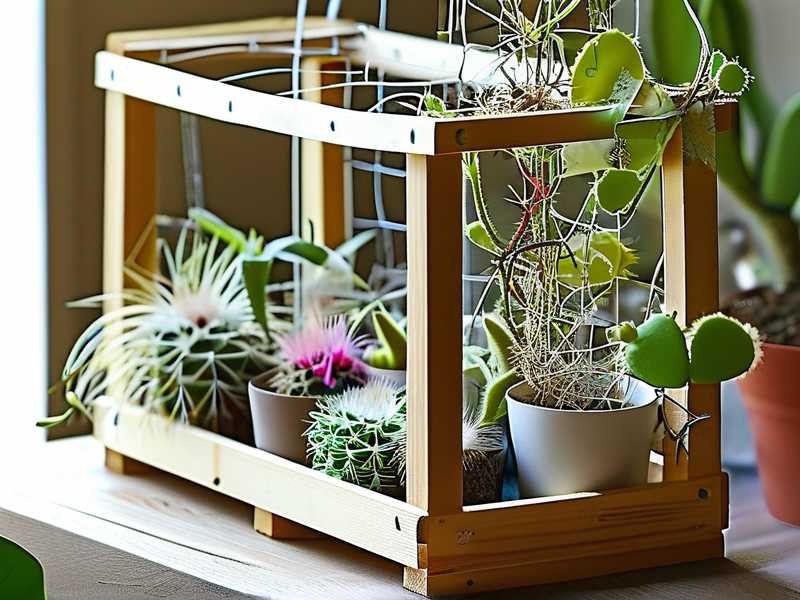
- Elevate Pots: Place potted cacti on feet or a stand to allow air circulation underneath, which helps cool the pot and improves drainage.
Long-Term Strategies for Resilience
Building a resilient cactus starts before the heatwave hits.
- Acclimatization: Gradually expose your cactus to more sun in the spring so it develops a protective cuticle. A sudden move from indoors to full summer sun is a recipe for scorching.
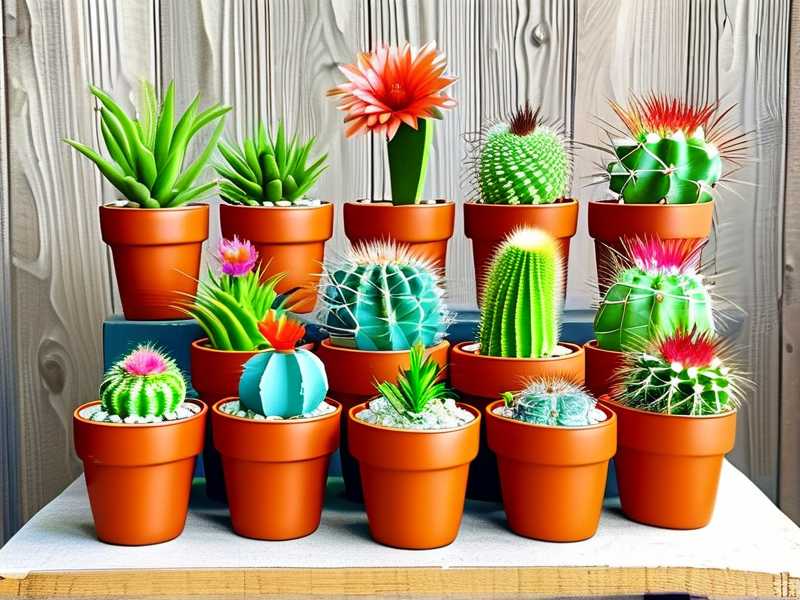
- Strategic Grouping: Grouping potted plants together can create a slightly more humid microclimate, reducing transpiration rates for all plants in the group.
- Mulch for In-Ground Plants: A thin layer of small gravel or pebbles around the base of in-ground cacti can help reflect heat and keep the root zone cooler. Avoid organic mulches that retain moisture against the stem.
Post-Heatwave Recovery Care
Once temperatures subside, assess the damage. Sunburned scars are permanent but not necessarily fatal. The plant will grow around them. Resume your normal, cautious watering routine. Do not fertilize a stressed cactus; wait until it shows signs of active, healthy growth, which may be in the following season.
Can I mist my cactus to cool it down during a heatwave? No, misting is not recommended. It provides only superficial moisture that evaporates quickly, does not hydrate the plant, and can promote fungal diseases if water sits in the crevices of the cactus, especially in high humidity.
My cactus got soft and mushy at the base during the heatwave. What should I do? This is a critical sign, often of root rot exacerbated by hot, wet soil. You must act quickly. Unpot the plant, remove all soft, mushy tissue with a sterile knife, and let the healthy part callous over for several days in a cool, dry, shaded spot. Then, replant in fresh, dry cactus mix and do not water for at least a week to allow roots to recover.
Is it better to water a little bit every day during extreme heat? Absolutely not. Light, frequent watering encourages weak, shallow roots that are more vulnerable to heat. It also keeps the top layer of soil damp and hot. The deep and infrequent method is far superior, as it trains roots to seek moisture deeper down where it’s cooler.
Protecting your cactus during a heatwave is about intelligent intervention—providing strategic shade, mastering the timing and method of watering, and ensuring its potting environment doesn’t turn into an oven. By understanding the specific vulnerabilities of your cactus species to intense heat and taking these proactive steps, you can help your resilient desert native weather the storm of a heatwave and enjoy its unique beauty for many more seasons to come.