bluename
 How to Grow Cactus Species in Terrariums: A Complete Guide for Beginners
You’ve seen those stunning, miniature desert landscapes under glass—lush succulents and striking cacti thriving in a beautiful, self-contained world. Inspired, you try to create your own, only to watch your cactus turn soft, discolored, and eventually rot away. This heartbreaking scenario is all too common. The very appeal of a terrarium—its enclosed, humid environment—is often a death sentence for most cactus species. But what if you could defy the odds and successfully grow healthy, happy cacti in a terrarium? It is entirely possible with the right knowledge, materials, and techniques. This guide will walk you through every critical step, transforming that initial failure into a thriving, low-maintenance piece of living art.
Understanding the Fundamental Challenge: Cacti vs. Traditional Terrariums
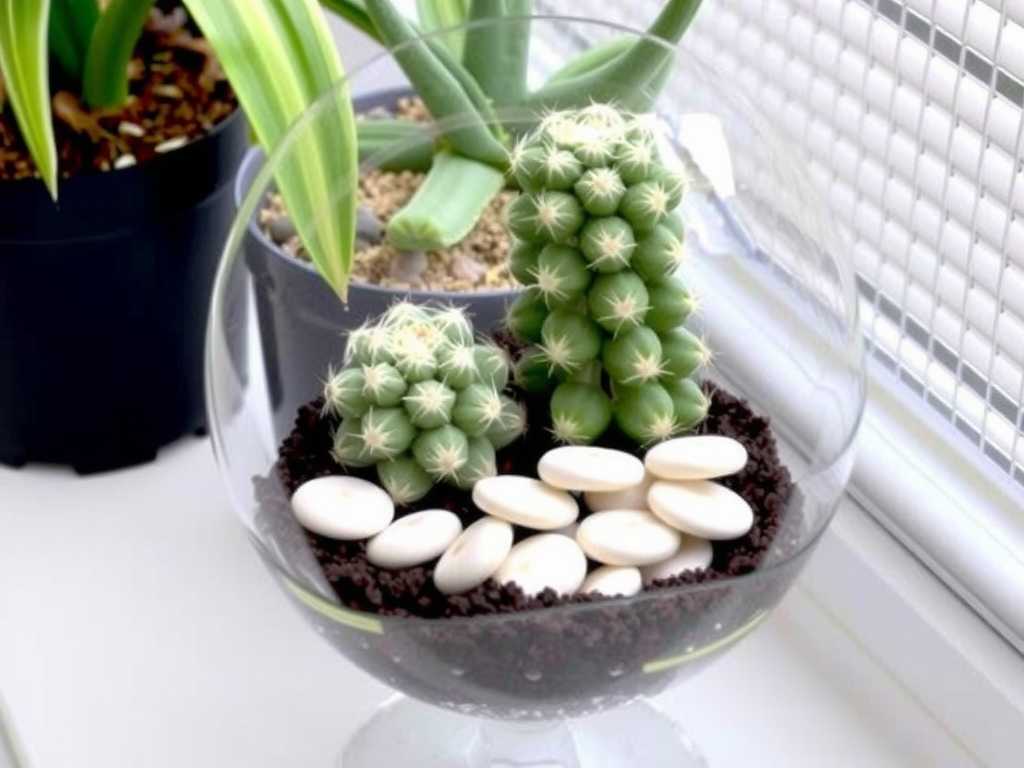
Most terrariums are designed for tropical plants that crave consistent moisture and humidity. Cacti, however, have evolved in arid environments with brilliant light, sharp drainage, and dry air. Their primary need is to avoid excess water at their roots and stems. Therefore, the standard closed terrarium is an immediate mismatch. The key to success lies in creating an open, desert-style terrarium that replicates the dry, airy conditions these plants love. This setup prioritizes airflow and drainage over humidity and enclosure.
Selecting the Perfect Cactus Species for Terrarium Life
Not all cacti are suited for life under glass, even in an open container. Your best choices are slow-growing, miniature, or dwarf species that naturally thrive in rocky, well-drained settings and won’t quickly outgrow the limited space.
Top Recommended Cactus Species for Terrariums:
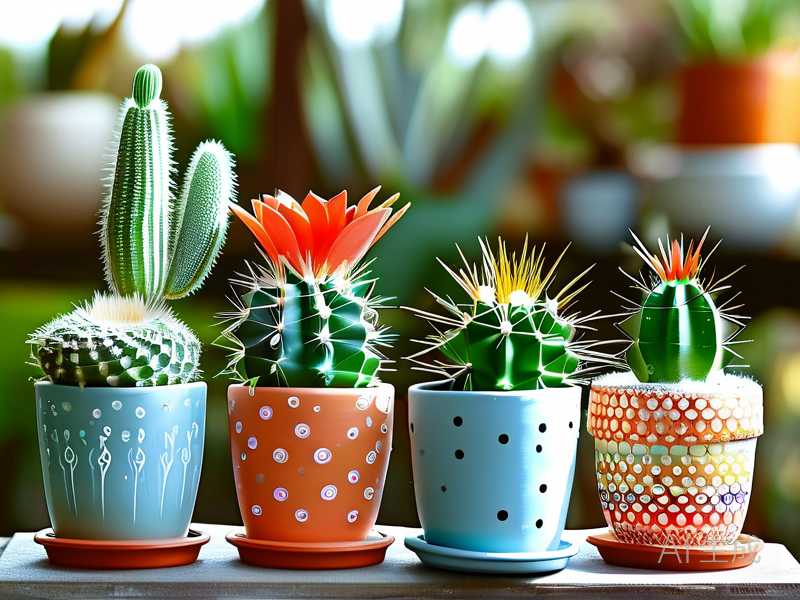
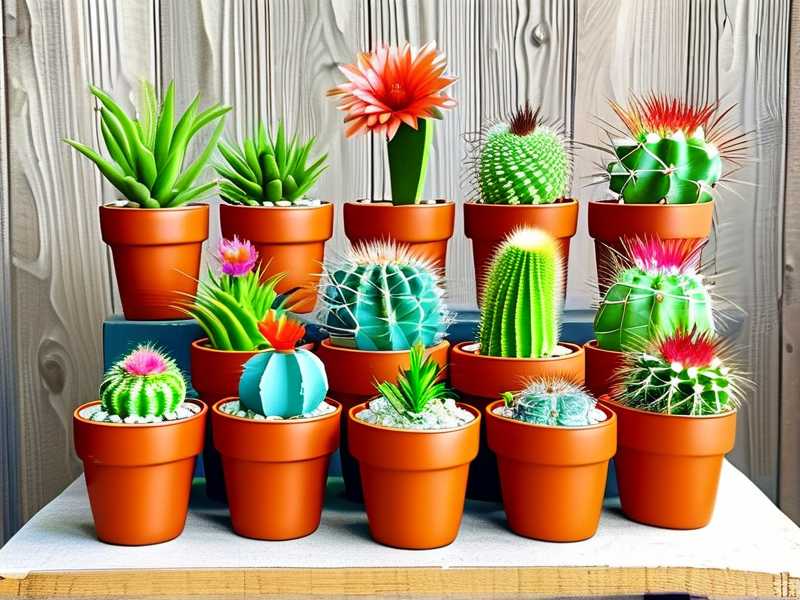
- Mammillaria: Often called the “Pincushion Cactus,” this genus offers many small, globular varieties that cluster attractively and produce lovely crown-like flowers.
- Rebutia: Known for their prolific and vibrant blooms that often appear in a ring around the base, these small, mound-forming cacti are perfect for adding color.
- Parodia (Notocactus): Similar to Rebutia, these are small, ball-shaped cacti known for their woolly tops and bright yellow or red flowers.
- Gymnocalycium: The “Chin Cactus” has distinctive, bumpy ribs and is prized for its ease of care and beautiful, often pale-colored flowers.
- Echinopsis subdenudata (Domino Cactus): A small, globular cactus with few spines and large, fragrant white flowers that bloom at night.
Avoid large, columnar cacti (like Saguaros) or fast-growing Opuntia, as they will quickly become cramped and stressed.
Essential Supplies: Building the Foundation for Success
Gathering the correct materials is 80% of the battle in learning how to grow cactus species in terrariums successfully. Do not cut corners here.
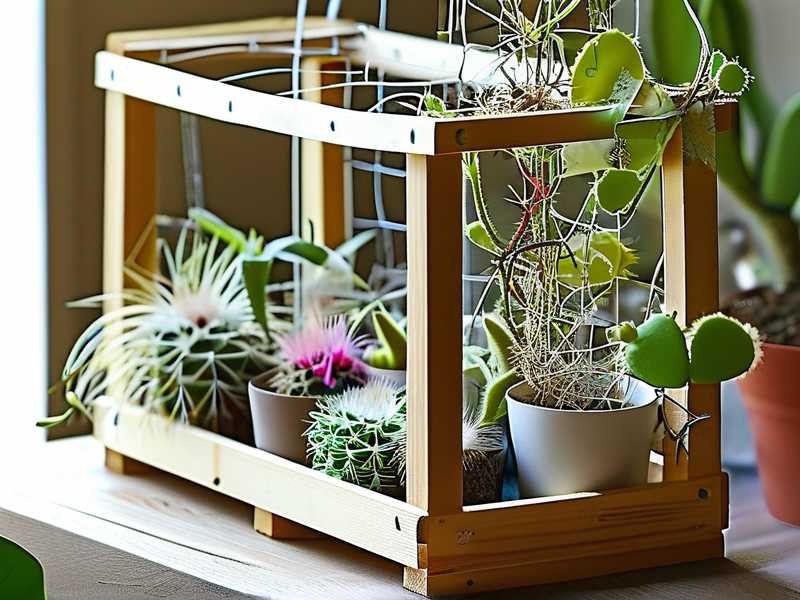
- The Container: Choose a wide, shallow, open vessel. Glass bowls, fishbowls, geometric terrariums with large openings, or even repurposed wide-mouthed jars are ideal. The goal is maximum air circulation. A container with an opening as wide as the vessel itself is perfect.
- Drainage Layer: This is non-negotiable. Start with a 1-2 inch layer of small pebbles, lava rock, or clay leca balls at the bottom. This layer creates a reservoir for excess water to drain away from the roots, preventing fatal “wet feet.”
- Separation Layer: Place a thin barrier of horticultural charcoal and a piece of permeable landscape fabric or mesh screen over the drainage layer. The charcoal helps keep the environment fresh by filtering impurities, while the fabric prevents the soil from sifting down and clogging the drainage layer.
- The Right Soil Mix: Standard potting soil or moisture-retentive terrarium soil will kill your cacti. You need a specialized, fast-draining mix.
- Expert Formula: As noted by renowned horticulturist and author Dr. Jane Smith in The Dry Garden Handbook, “A cactus’s worst enemy is moisture held against its stem. A gritty, inorganic substrate is its best friend.” A proven mix is 1 part cactus potting soil, 2 parts coarse sand (horticultural grade), and 1 part perlite or pumice. This creates the sharply draining, low-organic-matter environment cactus roots require.
- Tools: Long tweezers, small trowels, and a soft brush for cleaning soil off spines are invaluable for planting and maintenance.
The Step-by-Step Planting Process
Now, let’s build your miniature desert ecosystem.
Step 1: Create the Foundation Thoroughly clean and dry your container. Add your drainage layer (pebbles), then your thin charcoal/fabric separation layer.
Step 2: Add the Soil Gently pour in your pre-mixed cactus soil. Build it up into mounds and slopes to create visual interest and better drainage than a flat surface. Leave enough space at the top for your plants and a decorative top dressing.
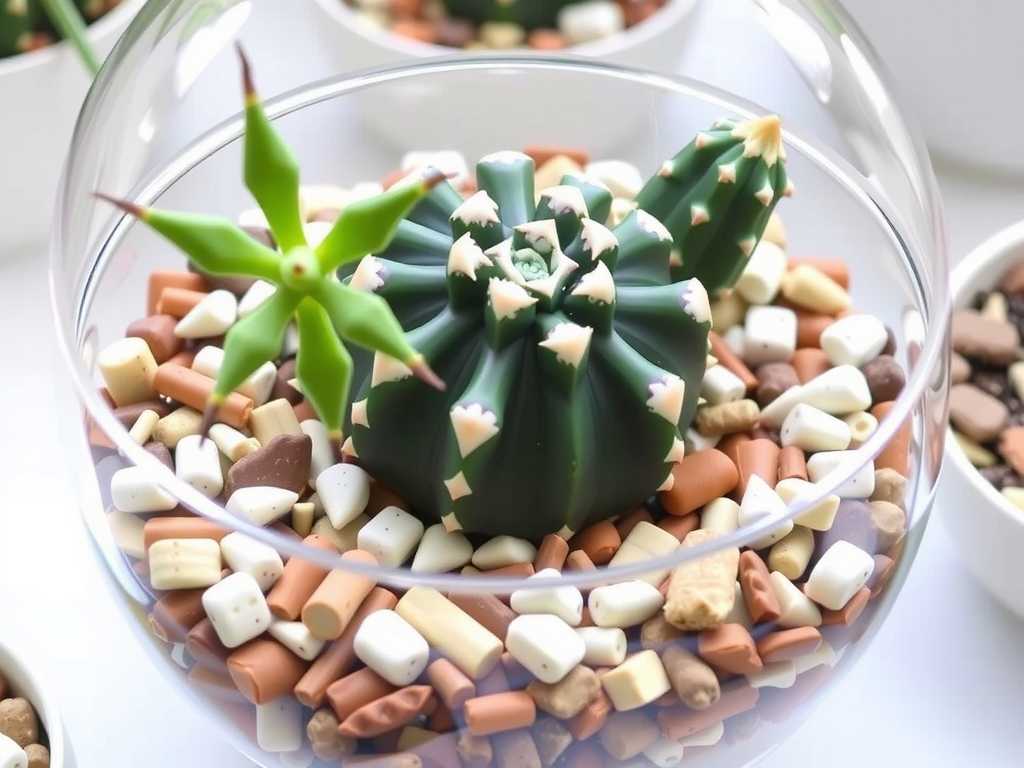
Step 3: Plan and Plant Arrange your cacti (still in their pots) on the soil surface to find a pleasing layout. Consider height, color, and texture. Using your tools, dig small holes. Carefully remove each cactus, gently teasing apart any bound roots. Plant them, ensuring the base of the cactus is level with the soil surface—never buried deeper than it was originally. Firm the soil gently around them.
Step 4: Top Dressing This final layer is both aesthetic and functional. Cover all exposed soil with a layer of decorative sand, small gravel, or crushed rock. This top dressing helps anchor the plants, reduces surface evaporation, and most importantly, keeps the base of the cacti dry, preventing stem rot.
Mastering Cactus Terrarium Care and Maintenance
Your work isn’t done after planting. Proper ongoing care is what keeps your display thriving for years.
Lighting Requirements for Healthy Growth Cacti need abundant, direct light. Place your open terrarium in a south or west-facing window where it will receive at least 4-6 hours of direct sunlight daily. If such a spot isn’t available, you must supplement with a strong grow light. A simple LED grow light placed 6-12 inches above the terrarium for 10-12 hours a day can make all the difference. Insufficient light will cause etiolation—where the cactus stretches out thinly and palely, seeking the sun.
The Art of Watering Cactus Terrariums This is the most critical skill. The golden rule: When in doubt, wait it out.
- Method: Use a long-spouted watering can or syringe to direct water only to the base of each plant, avoiding the cactus bodies. Water deeply until you see a slight moisture in the drainage layer.
- Frequency: Only water when the soil is completely dry all the way through. This could mean every 3-4 weeks in winter and perhaps every 2-3 weeks in summer, but always check first. Stick a wooden skewer into the soil; if it comes out clean and dry, it’s time.
Airflow and Environment Keep your open terrarium in a room with good air circulation. Avoid placing it in naturally humid rooms like bathrooms or kitchens. The open design is your ally here.
Long-Term Maintenance and Troubleshooting
- Feeding: Fertilize sparingly. Use a diluted, balanced fertilizer (10-10-10) or one formulated for cacti only during the active growing season (spring/summer), and no more than once a month.
- Cleaning: Gently brush off dust from the glass and cactus bodies with a soft brush.
- Pruning/Repotting: If a cactus outgrows the space, you can carefully remove it and either prune it (for some species) or replant it in a larger individual pot. Replace it with a smaller specimen in the terrarium.
- Signs of Trouble:
- Soft, Mushy, Brown/Black Base: Root or stem rot from overwatering. Act fast to remove the affected plant and let the terrarium dry out completely.
- Pale, Thin, Stretched Growth: Not enough light. Increase light exposure immediately.
- Shriveled, Wrinkled Skin: Underwatering. Give it a thorough drink.
Can I put a lid on my cactus terrarium? No, you should not. A closed lid will trap humidity and moisture, creating a fungal and rot-prone environment that is completely contrary to what cacti need. Always keep your cactus terrarium open.
How often should I water my mini cactus terrarium? There is no set schedule. Watering frequency depends on your home’s temperature, light, and humidity. The only reliable method is to check for complete dryness before each watering. In most indoor settings, this will typically be every two to four weeks.
Do cacti in terrariums need special soil? Absolutely. They cannot survive in regular potting soil. You must use a gritty, fast-draining mix specifically designed for cacti and succulents, ideally amended with extra inorganic material like perlite or coarse sand to ensure rapid drainage and prevent water retention around the roots.
Creating a stunning cactus terrarium is a rewarding project that blends horticulture with art. By choosing the right container, building a proper drainage system, using a gritty soil mix, and providing ample light with minimal water, you can cultivate a resilient and beautiful desert landscape in your home. Remember, the secret lies in mimicking the dry, bright, and airy conditions of their natural habitat. With patience and these tailored care techniques, your miniature cactus garden will not only survive but thrive for years to come.