bluename
 How to Select Cactus Species for Mixed Succulent Planters
Creating a mixed succulent planter is an exciting way to bring diverse textures, colors, and forms into your home or garden. However, the joy can quickly turn to frustration when plants begin to struggle or die. One of the most common mistakes is combining incompatible species. Cacti, with their unique needs, are often the trickiest to pair successfully. This guide is designed to help you navigate the essential process of how to select cactus species for mixed succulent planters, ensuring a thriving and harmonious miniature landscape.
The core challenge lies in understanding that not all succulents are created equal. While they all store water, their requirements for light, water, soil, and growth pace can differ dramatically. Placing a slow-growing, sun-loving, drought-tolerant cactus next to a fast-growing, shade-preferring, moisture-loving succulent like a Haworthia is a recipe for disaster. One will inevitably suffer. By learning the key selection criteria, you can avoid these pitfalls and create a stunning, sustainable arrangement.
Understanding Cactus and Succulent Compatibility
The first step in learning how to choose the right cactus for a succulent planter is to move beyond aesthetics and consider fundamental biology. Compatibility is rooted in mimicking the natural habitats of your chosen plants.
Light: The Non-Negotiable Factor Most cacti are native to arid, open deserts and require intense, direct sunlight for several hours a day. Many popular succulents, like Echeveria or Sedum, also thrive in bright light. However, some succulents (e.g., Gasteria, Sansevieria) prefer bright but indirect light. In a mixed planter, you must select all inhabitants for similar light needs. Grouping full-sun cacti with partial-shade succulents will lead to etiolation (stretching) in the shade-lovers or sunburn on the others.
Watering Needs: The Delicate Balance This is arguably the most critical factor. Cacti have evolved to survive prolonged droughts and are highly susceptible to root rot from overwatering. Their watering schedule is typically "soak and dry" with long, complete dry periods between. Some soft-leaved succulents need water more frequently. In a shared container, you cannot water one section without affecting the others. Therefore, you must select species with similar low water requirements. A good rule is to only mix cacti with other succulents known for exceptional drought tolerance.
Growth Rate and Space Consider the future. A fast-growing, clustering succulent like certain Aloes or Agaves can quickly overwhelm a slow-growing, solitary Barrel Cactus. This competition for space and soil nutrients will stunt the slower plant. When planning, research the mature size and growth habit of each species. Opt for cacti and succulents with complementary, non-invasive growth patterns to maintain balance over time.
Top Cactus Species Ideal for Mixed Planters
Not all cacti are suited for community living. The best candidates are generally smaller, slow-growing, and have a non-aggressive form. Here are excellent choices for your cactus and succulent combination arrangements.
1. The Rebutia and Lobivia Genera These small, clustering cacti are perfect for containers. They stay compact, produce spectacular rings of colorful flowers, and have similar care needs to many drought-tolerant succulents like Sempervivum or some Graptopetalum. Their rounded, mound-forming shape adds lovely texture.
2. Mammillaria (Pincushion Cactus) With hundreds of species, Mammillaria offers incredible variety in form, from spherical to cylindrical, often densely covered in spines. They are generally slow-growing and many form attractive clusters. Their manageable size and sun-loving nature make them ideal companions for Echeveria and other rosette-forming succulents that enjoy full sun.
3. Parodia (Ball Cactus) Similar to Mammillaria, Parodia species are typically globular and solitary when young. They are prized for their stout spines and bright flowers. Their defined, geometric shape creates a fantastic focal point amidst the softer forms of succulents like Crassula or Sedum.
4. Gymnocalycium (Chin Cactus) Known for their often spineless or short-spined ribs and beautiful flowers, Gymnocalycium are forgiving and adaptable. They appreciate bright light but can tolerate slightly less intense sun than some desert cacti, broadening your potential succulent pairing options with plants that enjoy bright, filtered light.
5. Echinopsis (Sea Urchin Cactus) While some get large, many smaller Echinopsis species or hybrids are suitable. They are fast-growing for cacti and produce enormous, stunning flowers. Pair them with equally vigorous succulents like certain Kalanchoes to ensure one doesn’t outcompete the other.
Succulent Partners That Thrive Alongside Cacti
Choosing the right cactus is only half the battle. Selecting compatible succulent partners is crucial. Look for species that are drought-adapted, sun-loving, and slow to moderate growers.
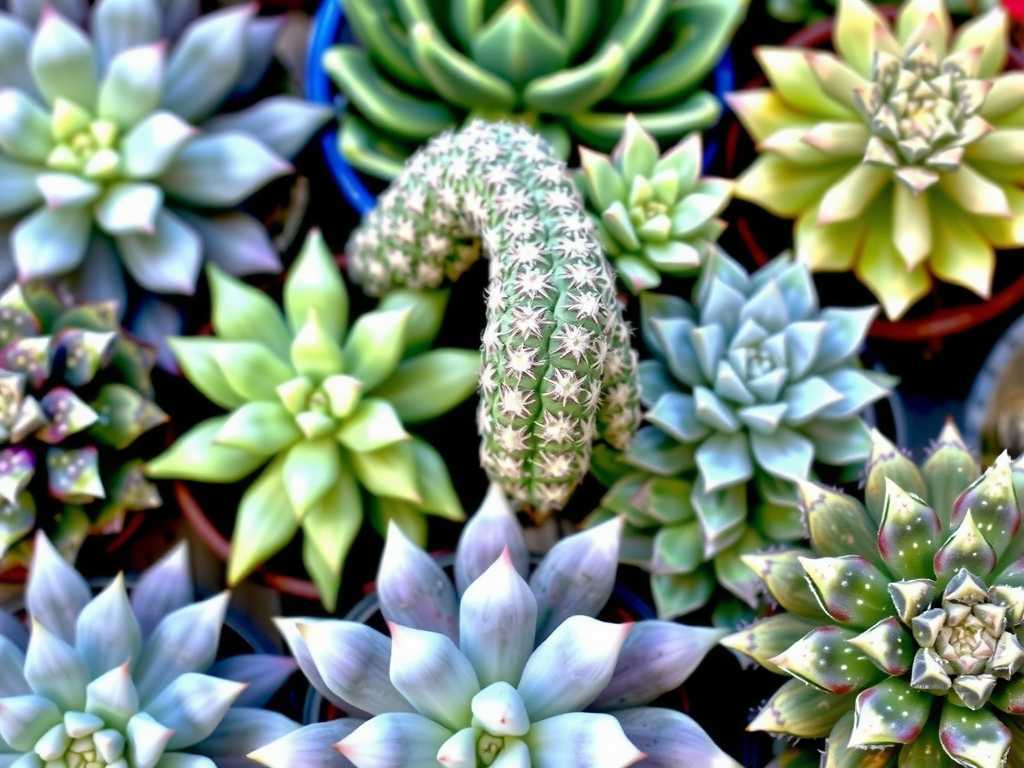
- Hardy Sedums: Many stonecrops, like Sedum nussbaumerianum or Sedum rubrotinctum, are tough, sun-loving, and have low water needs.
- Some Echeveria: While some prefer more water, varieties like Echeveria agavoides or Echeveria lilacina are more drought-tolerant and enjoy full sun.
- Sempervivum (Hens and Chicks): Extremely cold-hardy and drought-tolerant, they form tight rosettes and offsets, complementing the form of round cacti beautifully.
- Graptopetalum: These rosette-forming succulents, like Ghost Plant (Graptopetalum paraguayense), are resilient and share similar light and water requirements with cacti.
- Agave (Dwarf Varieties): Small agaves like Agave parviflora or Agave victoriae-reginae provide striking architectural form and are supremely drought-tolerant.
Practical Steps to Build Your Planter
- Choose the Right Container: Always select a pot with excellent drainage holes. Terracotta is ideal as it wicks away excess moisture. Ensure the pot is wide and shallow rather than deep, as most cacti and succulents have shallow root systems.
- Use a Specialized Soil Mix: Standard potting soil retains too much moisture. Use a gritty, well-draining mix specifically for cacti and succulents. You can make your own with equal parts potting soil, coarse sand, and perlite or pumice. As noted by horticulturist Dr. Linda Chalker-Scott, "A fast-draining soil matrix is the single most important factor in preventing root rot in xeric plants."
- Plan the Layout: Before planting, arrange your pots on the soil surface. Place taller or focal point plants (like a columnar cactus or large agave) slightly off-center. Use trailing succulents like Sedum morganianum (if light allows) or Senecio rowleyanus for the edges. Fill in with mid-size rosettes and clustering cacti.
- Plant with Care: Wear gloves for spiny cacti. Plant at the same depth they were in their nursery pots. Leave a little space between plants for air circulation and future growth.
- Watering and Aftercare: Do not water immediately after planting. Wait 5-7 days to allow any damaged roots to callous. Then, water thoroughly until it runs out the drainage hole. The key to maintaining a mixed cactus and succulent planter is to water deeply but infrequently, only when the soil is completely dry. During winter, most will require little to no water.
Frequently Asked Questions
Can I plant cacti and succulents in the same pot without drainage? It is highly discouraged and a major cause of plant failure. Without drainage, water pools at the bottom, leading to inevitable root rot. Always use a container with drainage holes.
How often should I water my mixed cactus and succulent planter? There is no fixed schedule. The frequency depends on climate, season, and pot size. The universal method is the "soak and dry" approach. Water only when the entire soil volume is completely dry, which could be every 2-4 weeks in summer and even less often in winter. When in doubt, it's safer to underwater.
My cactus is thriving, but the succulent next to it is wilting. What's wrong? This is a classic sign of incompatibility. The wilting succulent likely needs more frequent water than the cactus can tolerate. Unfortunately, in a shared pot, it's difficult to remedy this. The best solution is to carefully remove the struggling plant and repot it separately, grouping it with species that have similar moisture needs.
Creating a successful mixed planter with cacti and succulents is a rewarding exercise in understanding plant ecology. By prioritizing compatibility in light, water, and growth over mere visual appeal, you set the foundation for a long-lasting display. Start with slow-growing, sun-loving cactus species like Mammillaria or Rebutia, pair them with equally drought-tolerant succulent partners, and plant them in gritty soil within a well-draining pot. With careful selection and mindful care, your miniature desert garden will bring you joy for years to come.