bluename
 How to Identify Endangered Cactus Species for Conservation
You’ve seen a stunning cactus in the wild or perhaps in a local nursery, its unique form captivating your attention. But a nagging question arises: could this remarkable plant be at risk of disappearing forever? For conservationists, botanists, and even responsible plant enthusiasts, knowing how to identify endangered cactus species is the critical first step in protecting them. Many rare cacti face severe threats from habitat loss, illegal collection, and climate change, yet they can be difficult to distinguish from more common relatives. This guide is designed to equip you with the practical knowledge and authoritative resources needed to accurately recognize these vulnerable plants, turning observation into actionable conservation.
Why Cactus Conservation Identification Matters
Cacti are far more than prickly desert ornaments. They are keystone species, providing food and shelter for wildlife, stabilizing soils, and playing a vital role in their ecosystems. When a cactus species becomes endangered, it signals a breakdown in its environmental web. Unfortunately, their very uniqueness and beauty make them targets. Precise identification is the foundation of all conservation efforts—it allows for monitoring population health, protecting critical habitats, and curbing illegal trade. Without this skill, well-intentioned actions can be misdirected.
Foundational Steps for Accurate Cactus Identification
Before diving into rarity status, you must first accurately determine the cactus species. Misidentification can lead to false alarms or, worse, the oversight of a genuinely threatened plant.
Consult Authoritative Field Guides and Databases
Never rely on a single source or generic image search. Invest in region-specific botanical field guides authored by recognized experts. For digital resources, turn to authoritative databases like the International Union for Conservation of Nature (IUCN) Red List, which provides detailed species assessments, or the specialized portals of botanical gardens and research institutions. As noted by Dr. Maria Sanchez, a leading botanist at the Global Desert Flora Institute, "Cross-referencing physical descriptions across multiple authoritative sources is the only way to build a confident identification baseline."
Master Key Morphological Characteristics
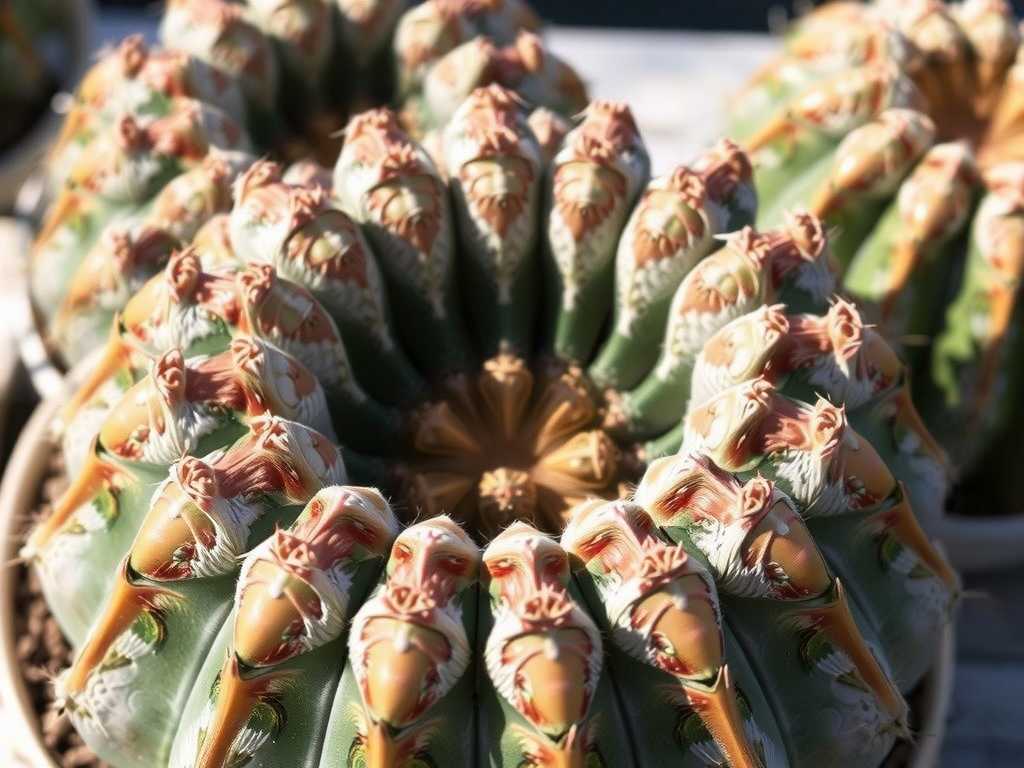
Cactus identification hinges on observing specific physical traits. Carefully document these features, preferably with photographs from multiple angles:
- Stem Shape & Size: Is it columnar, globular, clustering, or creeping?
- Rib Structure: Note the number, prominence, and contour of the ribs.
- Areole Configuration: The areole (the specialized structure where spines, hairs, and flowers grow) is a cactus’s fingerprint. Examine its spacing, size, and shape.
- Spine Anatomy: Record spine color, length, number per areole, and whether they are radial, central, flattened, or hooked.
- Flower & Fruit Details: Flower color, shape, time of bloom, and fruit characteristics are often species-specific.
How to Determine if a Cactus is Endangered
Once you have a tentative species name, the next crucial phase is assessing its conservation status. This moves from identification to evaluation.
Deciphering Conservation Status Rankings
Species are categorized by scientific bodies using standardized criteria. Familiarize yourself with these key terms:
- IUCN Red List Categories: This is the global gold standard. Categories range from Least Concern to Extinct. Your focus should be on Vulnerable (VU), Endangered (EN), and Critically Endangered (CR). A species listed as Endangered faces a very high risk of extinction in the wild.
- CITES Appendices: The Convention on International Trade in Endangered Species regulates cross-border trade. Appendix I includes species threatened with extinction, where commercial trade is prohibited. Many rare cacti are listed here. Appendix II includes species not necessarily threatened now but could be without trade controls.
- National & Local Lists: Always check listings from your country’s environmental agency (e.g., the Endangered Species Act in the U.S.) or state/provincial authorities, as they may offer stricter protections.
Recognizing Threats in the Field
Identification isn’t just about the plant itself; it’s about reading its context. During field surveys, look for these red flags that signal a population under pressure:
- Evidence of Poaching: Fresh cut stems, dug-up specimens, or discarded tools near plants.
- Habitat Degradation: Land clearing for agriculture, urban development, or mining activities fragmenting the population.
- Signs of Climate Stress: Unexplained mortality, poor flowering, or a prevalence of etiolated (stretched) growth suggesting ecological imbalance.
- Very Small Population Size: Encountering only a few isolated individuals over a large area can indicate a naturally rare or depleted species.
Practical Tools and Community Engagement
Modern technology and collective knowledge have revolutionized endangered cactus identification methods.
Utilizing Technology for Conservation
Leverage digital tools to enhance your accuracy and contribute to science:
- Geolocation & Mapping: Use GPS to record exact locations (while being discreet to protect plants). Overlay sightings with habitat maps to understand range.
- Photo-Identification Apps: Apps like iNaturalist are powerful. Uploading observations creates a community record verified by experts, helping track species distribution. Data from such platforms is increasingly used in conservation science.
- Access Online Herbarium Specimens: Digital archives from institutions like the New York Botanical Garden allow you to compare your photos with professionally collected, verified specimens.
Contributing to Citizen Science and Reporting
Your observations have power. Engaging with the conservation community amplifies impact:
- Join Local Native Plant or Cactus Societies: These groups offer mentorship, organized surveys, and deep regional knowledge.
- Report Findings Ethically: If you locate a population of a confirmed endangered cactus species, report it to the appropriate conservation authority or land manager. Crucially, never disclose precise location data publicly, as this can invite poaching.
- Support Habitat Protection: Advocacy often starts with identification. Documented evidence of rare species in a threatened area can be the key data needed to secure its protection.
How can I tell if a cactus is rare without being an expert? Start by using a reputable field guide or app like iNaturalist to get a species name. Then, search for that name on the IUCN Red List website or your national endangered species database. If it is listed as Vulnerable, Endangered, or Critically Endangered, it is considered rare and at risk.
Is it illegal to collect any cactus from the wild? Laws vary by location and species. In many places, it is illegal to collect any plant from protected public lands without a permit. For cacti listed under CITES Appendix I or national endangered species acts, collection from the wild is almost always prohibited. Always assume a plant is protected until you verify its status and the local regulations.
What should I do if I see someone illegally collecting cacti? Do not confront them directly, as this can be unsafe. Safely document what you can (e.g., vehicle description, general activity) from a distance and note the location. Report the incident immediately to local law enforcement, park rangers, or wildlife conservation officers. Providing specific details helps authorities take action.
Accurately identifying an endangered cactus transforms a simple observation into a act of stewardship. It begins with meticulous attention to the plant’s form and context, is verified through authoritative scientific resources, and finds its true purpose when connected to broader conservation actions. Whether you are a researcher, a land manager, or a passionate nature lover, the skills outlined here empower you to contribute meaningfully to preserving these irreplaceable desert sentinels. By learning to recognize them, we become their first line of defense.