bluename
 How to Care for Cactus Species Exposed to Sunburn: A Complete Recovery Guide
Discovering sunburn on your beloved cactus can be a heart-sinking moment. Those once vibrant green pads or columns now display unsightly yellow, brown, or white patches, feeling dry and crispy to the touch. This damage isn't just cosmetic; it's a sign of significant stress that compromises your plant's health. If you're wondering how to care for cactus species exposed to sunburn, you've come to the right place. This comprehensive guide will walk you through the immediate steps, the long-term recovery process, and the crucial preventative measures to nurse your sun-damaged succulent back to health and prevent future incidents. Understanding the proper care for a sunburned cactus is essential for any plant enthusiast facing this common issue.
Understanding Cactus Sunburn: Causes and Identification
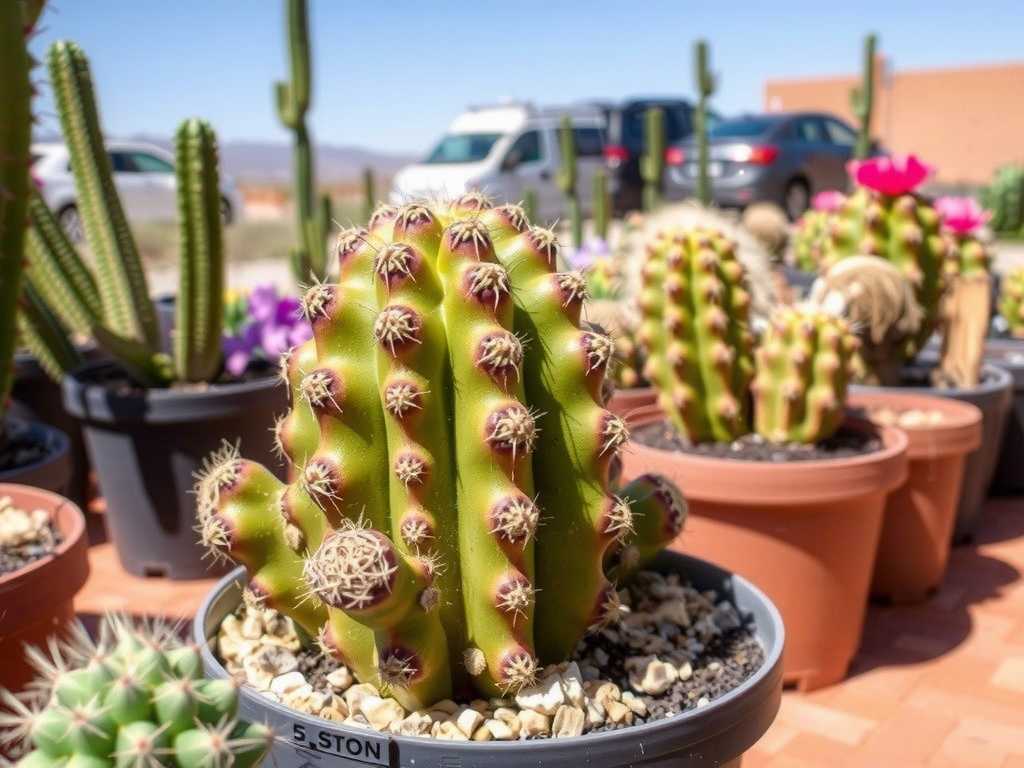
Before diving into treatment, it's vital to confirm the damage is indeed sunburn. Cacti are sun-loving plants, but they can get too much of a good thing, especially when conditions change abruptly.
-
What Causes Sunburn in Cacti? Sunburn occurs when a cactus is exposed to intense, direct sunlight beyond its tolerance level. This often happens after moving a plant from indoors to full outdoor sun without a gradual transition (a process called hardening off), during an unexpected, intense heatwave, or when reflected light from a nearby window or wall intensifies exposure. As noted by Dr. Eleanor Greene of the Global Succulent Society, "A cactus's tolerance to light is not static. A specimen grown in partial shade has developed a different cellular structure than one grown in full desert sun. A sudden shift is akin to a major environmental shock."
-
How to Identify Sunburn Damage True sunburn manifests as discolored, dry, and scarred tissue. Look for patches that are bleached white, yellowish, or turning tan and brown. These areas are typically flat or slightly sunken and feel leathery or brittle. It's important to distinguish this from other issues like fungal rot (which is often mushy, dark, and may smell) or pest damage (which shows as small, distinct spots or webbing).
Immediate Action Steps for a Sunburned Cactus
Your first response can significantly influence the plant's recovery trajectory. Follow these steps as soon as you notice the damage.
-
Relocate the Plant Immediately Gently move your cactus to a location with bright, but indirect, light. A spot with morning sun and afternoon shade is ideal, or use a shade cloth to filter intense rays. This stops any further damage from occurring.
-
Do Not Water Immediately Contrary to instinct, a sunburned cactus does not need immediate watering. The damaged tissue cannot utilize water effectively, and the plant is in shock. Watering now increases the risk of root rot. Wait at least a week before considering a careful watering.
-
Assess the Extent of the Damage Carefully examine the plant. Is the damage superficial, affecting only one side, or is it widespread? Superficial scarring may heal on its own with proper care, while severe, deep damage requires more attention.
The Long-Term Recovery and Care Process
Recovery is a marathon, not a sprint. Patience and consistent, correct care are your best tools.
-
Creating the Ideal Recovery Environment Maintain your cactus in its protected, bright-indirect light location for several months. The goal is to allow it to generate healthy new growth without stress. Ensure the location has excellent air circulation to prevent fungal issues.
-
Adjusting Your Watering Technique When you resume watering, do so deeply but infrequently. Always allow the soil to dry out completely between waterings. The plant's metabolic processes have slowed, so its water needs are reduced. Overwatering is the fastest way to kill a cactus already weakened by sunburn.
-
To Trim or Not to Trim Damaged Tissue This is a common dilemma. For minor, superficial scarring, it's best to leave the tissue alone. The plant will often compartmentalize the damage. However, if the sunburned area is large, soft, or appears to be spreading or rotting, surgical removal is necessary. Use a sterile, sharp knife to cut away the damaged tissue until you see healthy, green flesh. Allow the cut to callus over completely in a dry, airy spot for several days before repotting or returning it to its recovery location.
-
Hold Off on Fertilizer Do not fertilize a recovering cactus. Fertilizer encourages growth, which demands energy the plant needs for healing. Wait until you see signs of healthy new growth, typically in the next active growing season, before applying a diluted, balanced fertilizer.
Preventing Future Sunburn Episodes
Once your cactus is on the mend, implementing preventative strategies is key to long-term health.
-
The Art of Acclimatization (Hardening Off) Any change in light should be gradual. When moving a cactus to a sunnier spot, start with just 1-2 hours of morning sun per day, slowly increasing the exposure over 3-4 weeks. This slow process allows the plant to build protective pigments and adjust its physiology.
-
Understanding Seasonal Light Changes Be mindful of seasonal shifts. The sun's intensity and angle change throughout the year. A spot that was perfect in spring might become a scorching hotspot in mid-summer. You may need to adjust plant placement or use shading techniques seasonally.
-
Choosing the Right Soil and Pot A well-draining soil mix is non-negotiable. Use a commercial cactus mix or make your own with plenty of inorganic material like perlite or pumice. A pot with adequate drainage holes is equally important. A terracotta pot is excellent as it allows the soil to dry more evenly.
-
Monitoring and Adapting Care Make plant inspection a regular habit. Look for early signs of stress, such as slight color fading or redness (a sign of sun stress that can precede burn). Adjust care routines proactively with changing weather conditions.
Addressing Your Top Concerns
-
Can a sunburned cactus fully heal? The scarred tissue itself will not revert to green; it is permanently damaged. However, the cactus can absolutely recover and continue to live a healthy, vigorous life. New growth will emerge healthy, and over time, the scars may become less noticeable as the plant grows larger. The key is to prevent further damage and support new growth.
-
How long does it take for a cactus to recover from sunburn? Recovery is slow, aligning with the cactus's natural growth pace. You may see stabilization (no worsening of damage) within weeks, but visible signs of new, healthy growth can take several months to a full growing season. Severe cases may take over a year to fully overcome the stress.
-
Is it sunburn or something else? If the damaged spot is soft, mushy, watery, or spreading quickly, it is likely rot, often exacerbated by sunburn damage. If it's dry, crispy, and localized to the areas most exposed to light, it is almost certainly sunburn. When in doubt, probe the area gently with a sterilized tool; firm, dry tissue beneath a surface scar indicates sunburn, while soft, collapsing tissue indicates rot.
Sunburn is a setback, but it is rarely a death sentence for a resilient cactus. By acting swiftly to remove the source of stress, providing a stable and protective recovery environment, and exercising patience, you give your plant the best chance to rebound. The ultimate goal extends beyond recovery to prevention. Learning to read your cactus's signals and acclimatizing it slowly to sunlight are the most powerful skills you can develop. With attentive care, your cactus can outgrow its scars and thrive for years to come, better protected against the very sun it loves.