bluename
 How to Choose Cactus Species for Children’s Gardening Projects
Starting a gardening project with your child is an exciting adventure, filled with opportunities for learning and bonding. Yet, many parents and educators hesitate, worried about plants that are too delicate, require constant care, or, worse, pose a safety risk to curious little hands. The challenge is finding a plant that is resilient, engaging, and safe. This is where the wonderful world of cacti comes in. Choosing cactus species for children’s gardening projects can be the perfect solution, offering a low-maintenance, educational, and surprisingly fun entry point into the world of horticulture. This guide will walk you through every step to ensure your project is a thriving success.
Why Cacti Are Ideal for Young Gardeners
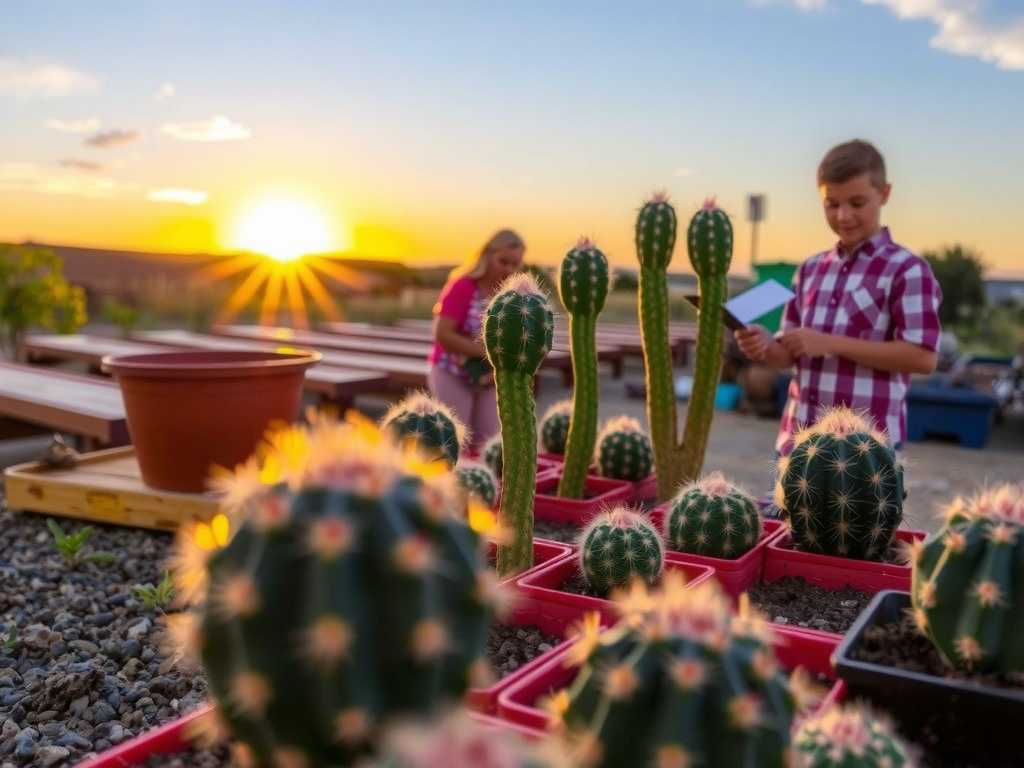
Before diving into specific species, it’s important to understand why cacti are such fantastic starter plants for kids. Their inherent characteristics align perfectly with the goals of a children’s project.
- Resilience and Forgiveness: Unlike many traditional plants, cacti are remarkably tolerant of irregular watering. For a child who might forget a watering day, a cactus won’t wilt dramatically. This builds confidence rather than frustration.
- Diverse and Fascinating Shapes: From round, fuzzy balls to tall, branching columns, cacti capture the imagination. This visual interest keeps children engaged and curious about plant morphology.
- Hands-On Science Lessons: A cactus project is a live science experiment. Kids can learn about photosynthesis, adaptation to arid environments (why do cacti have spines instead of leaves?), and water storage. According to a report by the National Gardening Association, hands-on gardening improves children’s attitudes toward learning and science.
- Responsibility Without Overwhelm: Caring for a cactus teaches responsibility and routine in a manageable way. The care schedule is less demanding, making it easier for a child to maintain long-term interest and ownership.
Essential Safety First: Navigating Spines and Skin
Safety is the non-negotiable first step in selecting kid-friendly cactus varieties. While cacti are great, their spines require respect and proper handling.
- The “Touch Test” Rule: A general rule is to avoid cacti with dense, small, hair-like spines (glochids), commonly found on Opuntia species (prickly pears). These detach easily and can be very irritating to skin.
- Opt for Clearly Visible, Spaced-Out Spines or Fuzz: Choose species with large, obvious spines that a child can easily see and avoid, or better yet, species that are known for being less prickly. Supervision is always key, especially during repotting or handling.
- Use the Right Tools: Introduce child-sized gardening gloves and thick newspaper or silicone tongs for handling. This teaches respect for the plant and safe gardening practices from the start.
Top Recommended Cactus Species for Children
Here are some of the best and safest cactus species to consider for your project. These selections prioritize safety, interesting growth habits, and ease of care.
1. The Bunny Ears Cactus (Opuntia microdasys)
- Why It’s Great: Its pads resemble cute bunny ears, which is instantly appealing to children. It grows in a recognizable, segmented pattern.
- Safety Note: While it has glochids, its distinctive appearance makes it a good candidate for a “look, don’t touch” plant. Place it on a high shelf where it can be admired safely, teaching kids that not all plants are for handling.
2. The Old Lady Cactus (Mammillaria hahniana)
- Why It’s Great: This is a superstar for family-friendly cactus gardening. It forms a charming spherical shape covered in a web of white hairs and soft spines, giving it a fuzzy, friendly appearance. It produces a beautiful crown of purple flowers, offering a rewarding bloom.
- Safety Note: Its spines are often softer and more hair-like than sharply threatening, but gentle handling with tools is still advised.
3. The Star Cactus (Astrophytum asterias)
- Why It’s Great: Shaped like a plump, spineless star or a sand dollar, this cactus is fascinating and often completely devoid of sharp spines. Its unique, ribbed texture is perfect for gentle observation.
- Safety Note: One of the safest choices for close-up inspection. It’s a prime example of a non-prickly cactus for kids.
4. The Blue Columnar Cactus (Pilosocereus pachycladus)
- Why It’s Great: For kids fascinated by height and structure, this cactus grows tall and boasts a stunning blue-green color. It demonstrates vertical growth in a dramatic way.
- Safety Note: It has golden spines that are typically spaced apart. It’s best as a centerpiece plant that is handled minimally.
5. The Christmas Cactus (Schlumbergera bridgesii)
- Why It’s Great: While not a desert cactus (it’s a tropical forest cactus), it’s a wonderful inclusion. It’s completely spineless, has fascinating segmented leaves, and blooms with vibrant flowers around the holidays. It teaches kids about different cactus habitats.
- Safety Note: Perfectly safe for hands-on care and propagation.
A Step-by-Step Guide to Launching Your Cactus Project
Now that you have species in mind, let’s build the project. Horticulturist and educator, Dr. Maria Green, emphasizes that “the process is as important as the plant. Let the child make real choices within safe parameters.”
Step 1: The Joint Selection Trip Take your child to a local nursery or garden center. Guide them to look for the safe characteristics discussed. Let them be drawn to a shape or color they like from the recommended list. This ownership is crucial.
Step 2: Choosing the Perfect Home (Potting)
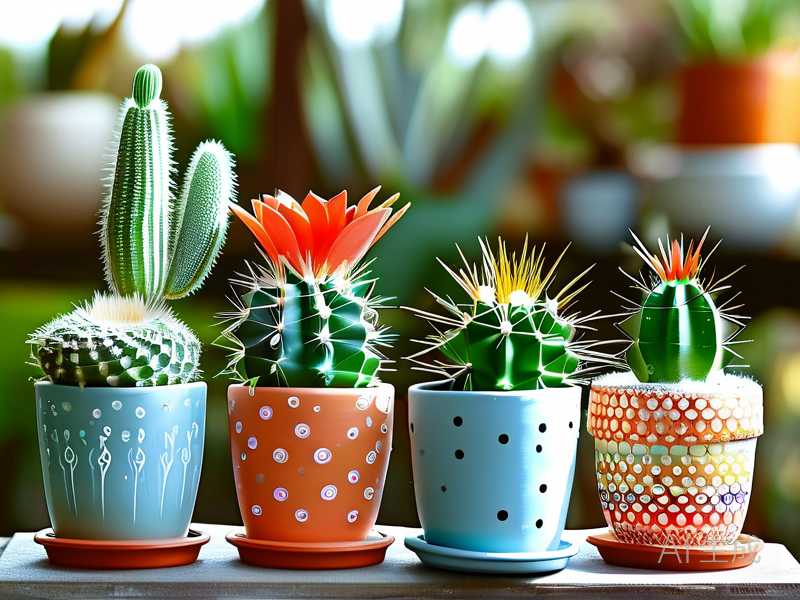
- Pot Selection: Choose a pot with excellent drainage holes. Let your child pick a colorful pot to personalize the project.
- Soil is Key: Use a specialized cactus or succulent potting mix. Explain that this fast-draining soil mimics their natural, sandy home and prevents “wet feet,” which can cause root rot.
Step 3: The Planting Ritual
- Layer small stones at the bottom of the pot for extra drainage.
- Wearing gloves, carefully place the cactus in the pot and fill around it with soil.
- Do not water immediately! Wait about a week to let any disturbed roots heal, preventing rot.
Step 4: Creating a Care Schedule Together
- Watering Wisdom: Teach the “soak and dry” method. Water thoroughly until it runs out the bottom, then let the soil dry out completely before watering again. In winter, water even less. A simple soil moisture meter can be a fun tool for kids.
- Sunlight Needs: Most cacti love bright light. Find a sunny windowsill. Explain how the plant uses sunlight to make its food.
- Growth Tracking: Keep a simple journal. Let your child draw the cactus, measure its height, or note when it flowers. This reinforces observation skills.
Nurturing Curiosity Beyond Watering
Turn this into a holistic learning experience.
- Story Time: Read books or find child-friendly videos about desert ecosystems.
- The Science of Spines: Use a magnifying glass to examine how spines grow from areoles. Discuss their purpose: protection from sun and animals.
- Propagation Fun: Some cacti, like the Christmas Cactus, can be easily propagated from stem segments. Snip a piece, let it callous, and plant it to grow a whole new plant—a lesson in plant life cycles.
Frequently Asked Questions
What is the absolute most child-safe cactus? The Star Cactus (Astrophytum asterias) and the Christmas Cactus (Schlumbergera) are top contenders due to their lack of sharp spines. The Old Lady Cactus is also excellent for its softer, fuzz-like covering.
How often should my child water their cactus? There’s no fixed weekly schedule. The best method is to check the soil. Stick your finger about an inch deep—if it’s completely dry, it’s time for a thorough watering. This might be every 2-3 weeks in warm months and once a month or less in winter. Overwatering is the most common mistake.
Our cactus isn’t growing very fast. Are we doing something wrong? Not at all! Most cacti are naturally slow growers. This is a great chance to teach patience and the different paces of nature. Focus on the plant’s health—its firmness and color—rather than its speed of growth. The occasional flower or new small segment is a cause for celebration.
Embarking on a cactus gardening project with a child is about more than just keeping a plant alive. It’s about fostering responsibility, sparking scientific curiosity, and creating shared memories. By carefully selecting a safe, interesting species and focusing on the joyful process of care and discovery, you lay the groundwork for a lifelong appreciation of nature. The resilience of the cactus mirrors the growing confidence of a young gardener, making every new spine and bloom a testament to their care.